Why Pipes Burst During Pennsylvania Deep Freezes
It is not the ice inside the pipe that breaks it. Here is the real science behind why Pennsylvania pipes burst in a deep freeze, and how to stop it.
By King of Prussia Plumbing Pros · Published January 13, 2025 · Updated September 1, 2025
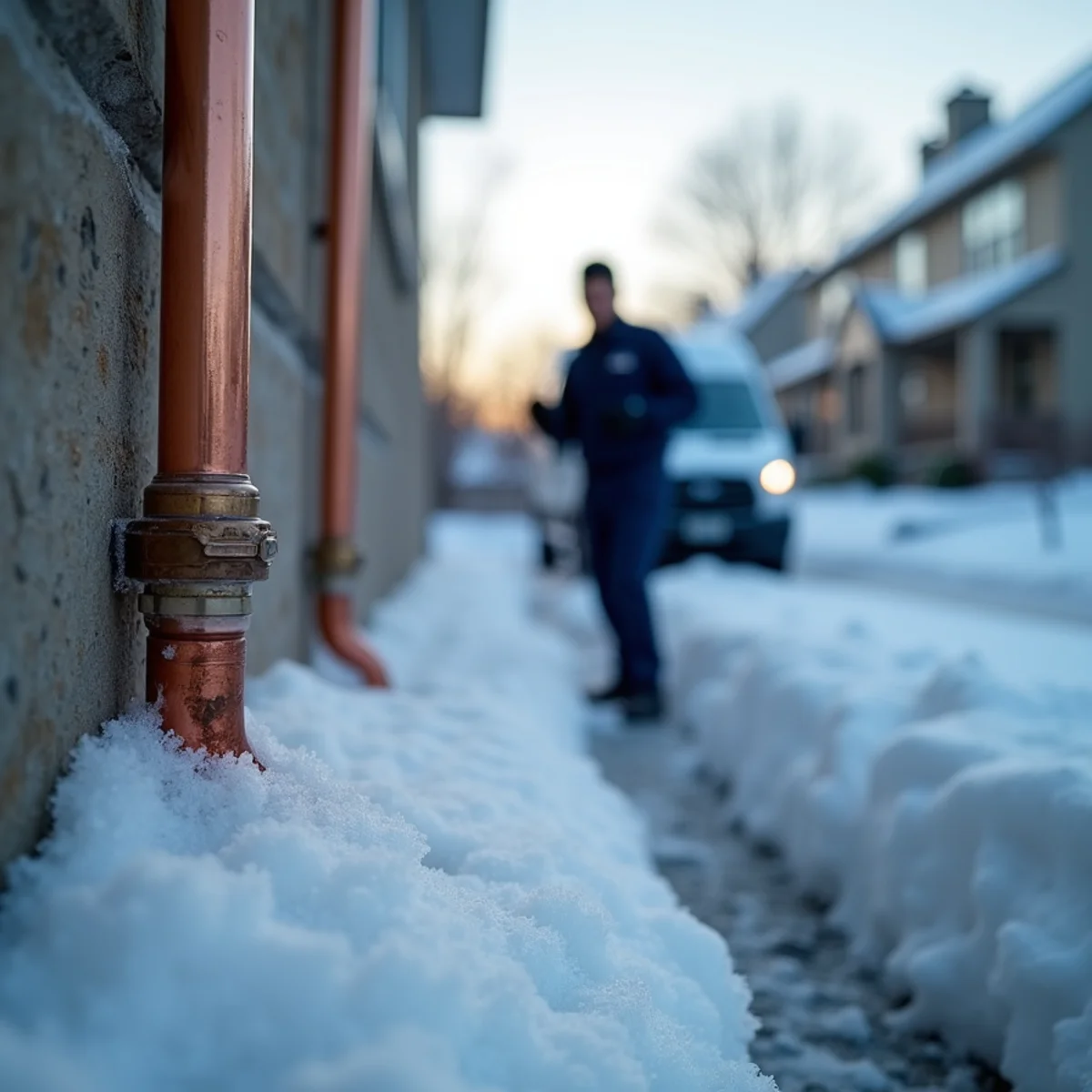
When temperatures plunge across southeastern Pennsylvania, plumbers brace for the same call over and over: a pipe has burst. Most homeowners assume the ice simply expanded until the pipe split. The reality is more surprising, and understanding it is the key to protecting your home through the next arctic blast.
The Real Reason Frozen Pipes Burst
When water freezes inside a pipe, it does expand by about nine percent. But the pipe rarely fails at the ice blockage itself. Instead, as the ice plug grows, it traps liquid water between the blockage and a closed faucet. That trapped water has nowhere to go, and pressure builds to thousands of pounds per square inch. Eventually the weakest point in the line, often well past the frozen section, ruptures under that pressure. In other words, the burst is caused by pressure, not by ice pushing directly on the pipe wall.
This is why a dripping faucet helps during a freeze. A small trickle relieves the pressure that would otherwise build up behind an ice blockage, dramatically reducing the risk of a burst.
Why Pennsylvania Homes Are Especially Vulnerable
Our region sees real winter. King of Prussia and the surrounding Montgomery County towns average around 6.4 inches of snowfall in February alone, with overnight lows that dip well below freezing for days at a time. Several local factors make our pipes more likely to fail:
- Older housing stock in towns like Pottstown often has plumbing running through uninsulated crawl spaces and exterior walls.
- Our clay-shale soil holds moisture and freezes hard, chilling buried and slab-adjacent lines.
- Homes built into hillsides above the Schuylkill frequently have exposed basement piping along cold foundation walls.
- Long January cold snaps freeze pipes that a single frigid night would not.
Farther north and west, communities like Allentown see even colder averages, and the same physics applies with a harder edge. Any pipe in an unheated or poorly insulated space is a candidate for freezing.
The Pipes Most Likely to Freeze First
Not all plumbing is equally exposed. The lines that freeze first are the ones with the least protection from your home's heat:
- Outdoor hose bibs and sprinkler supply lines.
- Pipes in unheated basements, garages, attics, and crawl spaces.
- Water lines running through exterior walls with thin insulation.
- Kitchen and bathroom plumbing on the north side of the house, which gets the least sun.
How to Prevent a Winter Burst
Prevention is far cheaper than repair and cleanup. Before and during a deep freeze, take these steps:
- 1Insulate exposed pipes with foam sleeves, especially in basements, garages, and crawl spaces.
- 2Let a cold faucet drip overnight during hard freezes to relieve pressure.
- 3Keep your thermostat at a steady temperature day and night, and never below 55 degrees if you travel.
- 4Open cabinet doors under sinks so warm room air reaches the pipes.
- 5Disconnect garden hoses and shut off outdoor spigots before the first freeze.
- 6Seal air leaks near pipes where cold outdoor air sneaks in.
The Hidden Cost of a Winter Burst
It is worth understanding just how much damage a single burst can do, because it changes how seriously you take prevention. When a supply line lets go inside a wall or ceiling, water does not just puddle on the floor. It wicks into drywall, soaks insulation, runs along joists, and pools in places you cannot see. By the time a stain appears on the ceiling, the water has often been spreading for hours. In our damp winter conditions, that saturated material becomes a breeding ground for mold within the EPA's 24 to 48 hour window, turning a plumbing repair into a remediation project. A burst near your electrical system adds a shock and fire hazard on top of the water damage. This is why plumbers push so hard on prevention: a few dollars of pipe insulation and a dripping faucet are trivial next to the cost of drying out a house, replacing drywall and flooring, and remediating mold.
If a Pipe Freezes or Bursts Anyway
If you turn on a faucet and only a trickle comes out during cold weather, you likely have a frozen pipe that has not yet burst. Keep the faucet open, apply gentle heat with a hair dryer or heating pad along the pipe, and never use an open flame. If you cannot locate or thaw the frozen section, our frozen pipe repair team can safely thaw the line and inspect it for damage before it fails.
When a pipe has already ruptured, shut off your main water valve immediately and call for emergency burst pipe repair. For a step-by-step emergency plan, see our guide on the first five things to do when a pipe bursts.
From the Field: The Freeze Spots Homeowners Never Suspect
After years of thawing lines across Montgomery County, the bursts we see cluster in a few predictable but overlooked places. The rim joist, where the foundation meets the wood framing, is the worst offender: it is often barely insulated and sits exactly where cold outdoor air pools against the pipes. Lines running through an exterior wall behind a kitchen sink freeze because the closed cabinet blocks warm room air from reaching them. Garage-adjacent walls fool people too, because the garage feels like it is inside, yet it runs 15 to 20 degrees colder than the house. When our King of Prussia frozen pipe crew gets a no-water call in a cold snap, we hunt for the coldest, least-heated run first, not the pipe at the faucet, because the ice plug almost always forms upstream of where you notice the trickle.
- Check the rim joist and band area in the basement, a common uninsulated cold gap.
- Feel exterior-wall cabinets during a freeze and leave the doors open so heat reaches the pipes.
- Watch any line shared with an unheated garage or a three-season room.
Stay Ahead of the Freeze
Understanding that pressure, not ice, causes most winter bursts helps you take the right precautions: insulate, keep water moving, and hold steady heat. A little preparation now can save you thousands in water damage this winter. If your pipes are frozen, leaking, or you want a pre-winter inspection anywhere in southeastern Pennsylvania, call King of Prussia Plumbing Pros at (831) 290-4327. We are available around the clock through the coldest nights of the year.
Frequently Asked Questions
Pipes are at risk when the outside temperature drops to about 20 degrees Fahrenheit or below, especially if they are exposed or poorly insulated. Sustained cold matters more than a single chilly night.
Yes. A steady drip relieves the pressure that builds between an ice blockage and a closed faucet, which is what actually causes most pipes to rupture.
There is no safe waiting period. A pipe can burst within hours of freezing as pressure builds, so thaw it or call a plumber as soon as you notice reduced flow in cold weather.
Focus on the rim joist area where the foundation meets the framing, any line along an exterior foundation wall, and pipes shared with a garage or crawl space. These sit in the coldest, least-heated air. Insulate them, seal nearby air leaks, and keep a little heat moving through the basement during hard freezes.