Burst Pipe in Your KOP Home? Do These 5 Things First
A burst pipe can dump gallons of water into your home every minute. Here are the five steps every King of Prussia homeowner should take before help arrives.
By King of Prussia Plumbing Pros · Published January 6, 2025 · Updated September 1, 2025
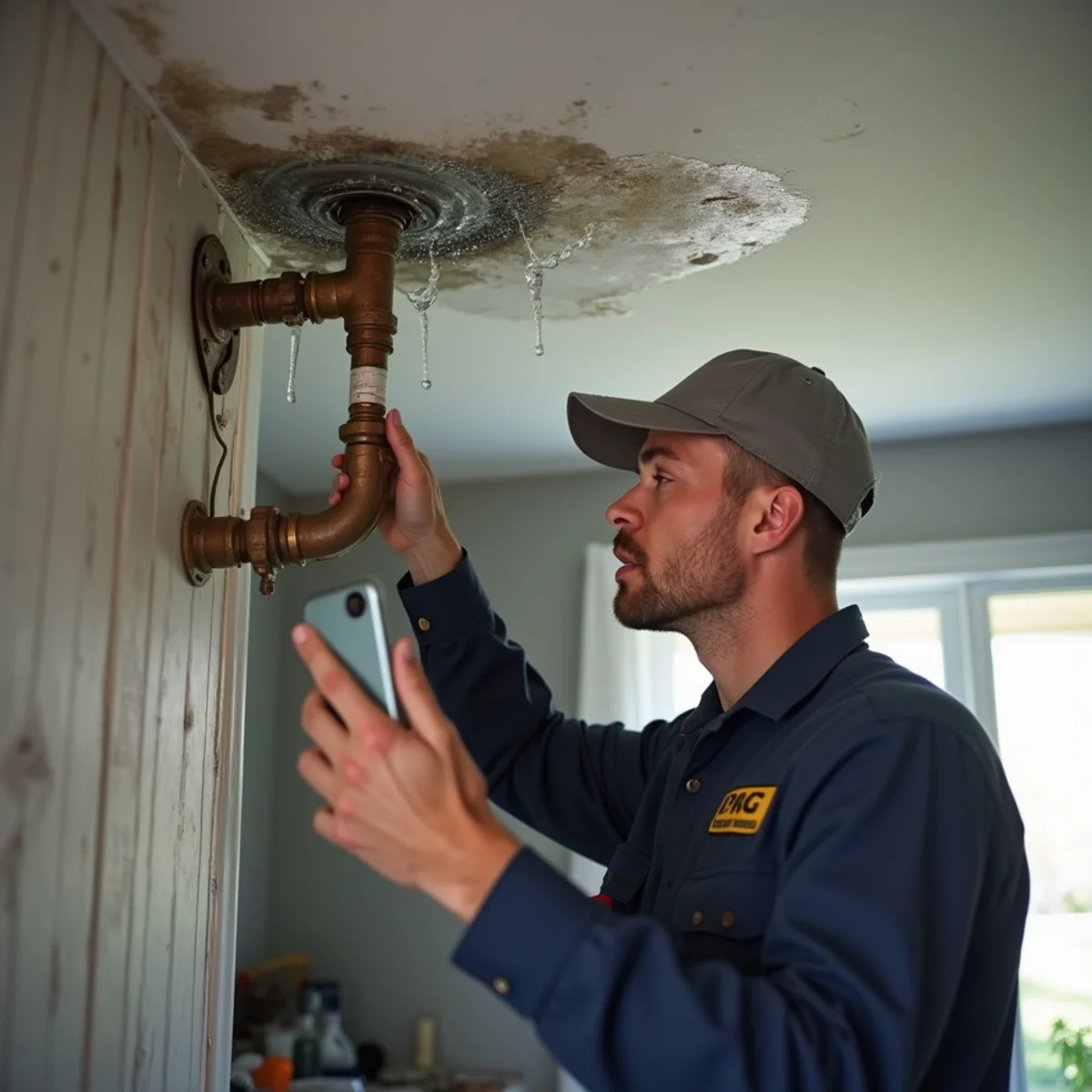
There is a specific sound every homeowner dreads: the hiss and gush of water where there should be silence. If a pipe has just burst in your King of Prussia home, you are likely watching gallons of water spread across a floor and wondering what to do first. A single half-inch supply line can release more than 50 gallons of water in minutes, and the clock on serious structural and mold damage starts immediately.
Take a breath. The next few minutes matter more than the next few hours. This guide walks you through the five actions that limit the damage, protect your family, and set up a fast, clean repair. Then it tells you exactly when to stop and call for help.
1. Shut Off Your Main Water Valve
Everything else is secondary to stopping the flow. Your main shutoff valve is usually located where the water line enters the house, often in the basement near the front foundation wall, close to the water meter. In many Montgomery County homes it is a gate valve (a round wheel you turn clockwise) or a ball valve (a lever you rotate a quarter turn). Turn it fully off.
Find and tag your main shutoff valve today, before an emergency. In a real burst-pipe panic at 2 a.m., you do not want to be hunting for it with a flashlight while water rises.
If you cannot find or free the main valve, look for a local shutoff near the failed fixture, or head to the water meter and shut off at the curb stop. When water is still flowing and you are stuck, that is the moment to call a 24/7 emergency plumber immediately.
2. Cut the Power to Affected Areas
Water and electricity are a deadly combination. If water is near outlets, appliances, light fixtures, or your electrical panel, switch off power to those circuits at the breaker box, but only if you can reach the panel without standing in water. If the panel itself is wet or you would have to wade through standing water to reach it, stay back and call an electrician or your utility. No repair is worth a shock.
3. Drain the Remaining Water From the Lines
Even after the main is off, pressurized water remains in your pipes. Open the cold taps on the lowest level of the house and flush a toilet or two to relieve pressure and pull the standing water out of the system. Then open the hot taps (with your water heater's power or gas already off) to drain that side. This reduces how much more can leak from the break while you wait for a technician.
4. Contain and Document the Damage
Move furniture, rugs, and electronics away from the water. Lay down towels and buckets, and start mopping or using a wet/dry vacuum. In our damp Pennsylvania winters, standing water and saturated drywall can begin growing mold within the EPA's 24 to 48 hour window, so getting water out quickly is not just tidy, it is protective.
- Photograph and video everything before you clean up, for your insurance claim.
- Note the time the pipe burst and the steps you took.
- Save any pieces of the failed pipe for the adjuster and plumber.
- If flooding is widespread, our basement flood cleanup crew can extract water and dry the space properly.
5. Call for Professional Burst Pipe Repair
A burst pipe is rarely a DIY patch job that holds. The failed section needs to be cut out and replaced, and the surrounding pipe should be inspected for the freeze damage, corrosion, or pressure problem that caused the failure in the first place. Our licensed team handles fast, permanent burst pipe repair across King of Prussia and neighboring communities like Norristown, often the same day you call.
Many local bursts trace back to frozen pipes. If you want to understand why our clay-shale soil and hard freezes make winter so hard on plumbing, read our companion guide on why Pennsylvania pipes burst in a deep freeze.
What It Typically Costs
Costs vary with access, pipe material, and water damage. A straightforward diagnostic visit generally runs in the $75 to $150 range, while the actual pipe repair depends on how much line must be replaced and whether walls need to be opened. We give you a clear written estimate before any work begins, so there are no surprises. Honest pricing and a permanent fix beat a cheap patch that fails again next winter.
From the Field: What We Check Before We Ever Cut Pipe
Here is what separates a lasting repair from one that fails again next winter: the cause. Before we cut out a burst section, we read why it let go. On the copper we pull out of King of Prussia basements, a pinhole ringed with green corrosion points to years of our moderately hard water, around 7 grains per gallon, thinning the wall from the inside. A clean split with the metal bulged outward is classic freeze damage, and it usually means other lines on that same cold exterior wall are at risk too. We also clamp a gauge on the system, because static pressure above roughly 80 psi stresses every joint in the house and is its own repair with a pressure-reducing valve.
- Inspect the whole run, not just the break, for other weak spots on the same cold wall.
- Test static water pressure; anything over about 80 psi needs a pressure-reducing valve.
- Insulate or reroute the pipe that froze so it does not repeat next January.
- If we find corrosion in several places, a single patch is a band-aid, and we will talk honestly about repiping the failing sections.
Don't Wait Out a Burst Pipe
A burst pipe only gets more expensive by the hour. Shut off the water, protect your family from electrical hazards, get the water out, and call in a professional to make it right. If you are dealing with a burst pipe in King of Prussia or anywhere in southeastern Pennsylvania right now, call King of Prussia Plumbing Pros at (831) 290-4327. We answer the phone around the clock and get help moving toward your door. You can also learn more about our full range of services on our homepage.
Frequently Asked Questions
A common half-inch supply line can release 50 gallons or more in just a few minutes under normal household pressure, which is why shutting off the main valve first is so important.
Yes. Once the main water is off, switch off the power or gas to your water heater so it does not run dry and get damaged while the system is drained.
Sudden and accidental burst pipes are often covered, though gradual leaks and neglected maintenance may not be. Document everything and see our guide on burst pipe insurance claims in Pennsylvania for details.
A repair clamp or epoxy putty can slow a small split long enough to buy time, but treat it as strictly temporary. It will not hold under full household pressure and often fails within days. Keep the water shut off, and have the section properly cut out and replaced rather than trusting a patch through the winter.