Sewage in the Basement: Emergency Steps for PA Homeowners
Raw sewage in the basement is a health hazard, not just a mess. Here is exactly what Pennsylvania homeowners should do first, and what to avoid.
By King of Prussia Plumbing Pros · Published January 20, 2025 · Updated September 1, 2025
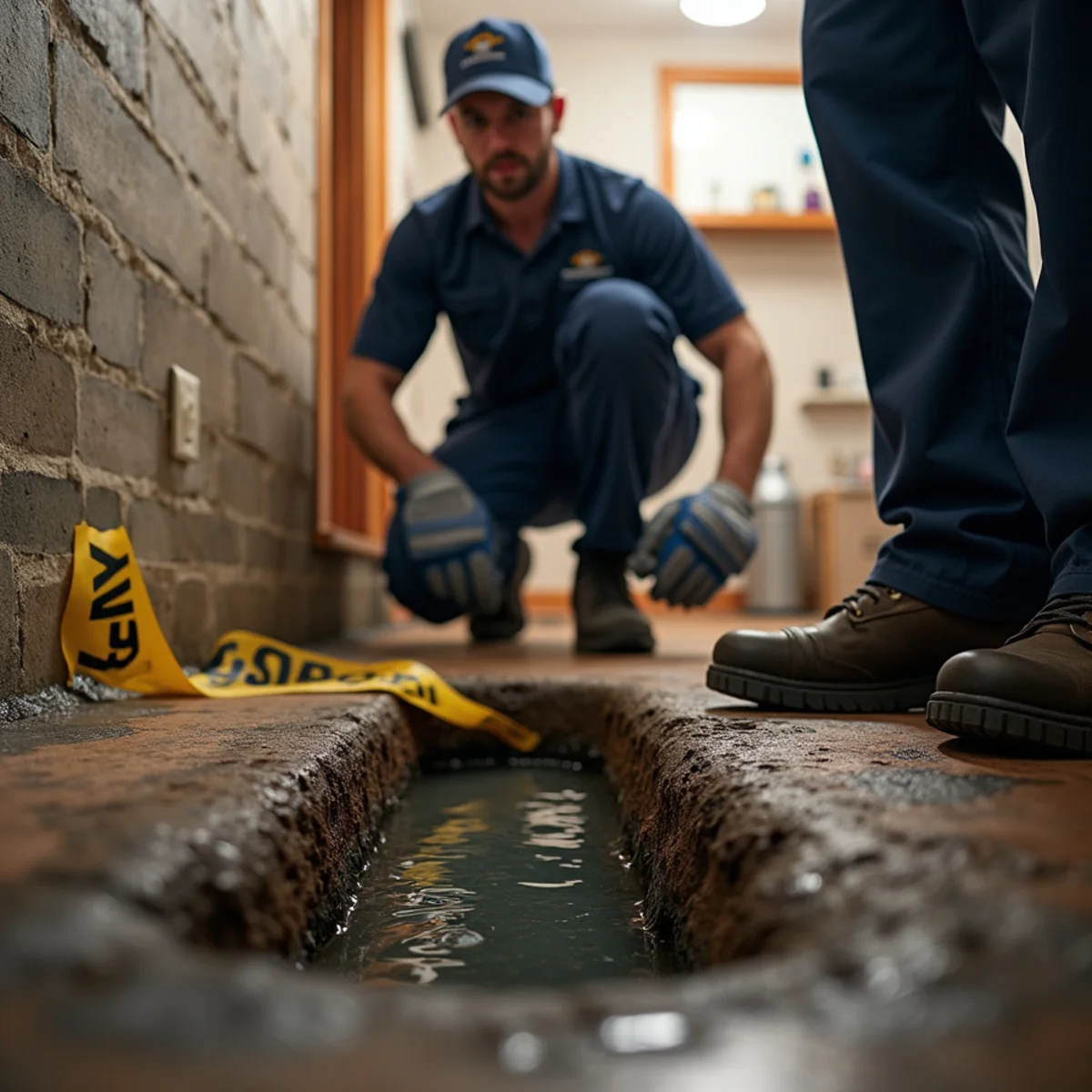
Few plumbing emergencies are as alarming as raw sewage bubbling up through a basement floor drain. Beyond the smell and the mess, sewage carries bacteria, viruses, and parasites that pose a genuine health risk to your family. If this is happening in your home right now, this guide tells you what to do, what to avoid, and when to get professionals on the scene.
First, Treat It as a Health Hazard
Sewage backup is classified as Category 3, or black water, meaning it is grossly contaminated. Do not walk through it in bare skin, do not let children or pets near it, and do not try to salvage soaked porous items like carpet or cardboard. Anything the water touched should be treated as contaminated until it is professionally cleaned or discarded.
If sewage is actively rising, stop using all water in the house immediately. Every flush, shower, and running faucet adds to what is coming up in your basement.
The Emergency Steps to Take
- 1Stop all water use: no flushing toilets, running sinks, dishwashers, or washing machines.
- 2Shut off electricity to the basement at the breaker if you can reach the panel without touching water.
- 3Keep people and pets out of the affected area and open windows for ventilation if weather allows.
- 4Put on rubber gloves, boots, and eye protection before going near the water.
- 5Turn off your HVAC system so it does not circulate contaminated air.
- 6Photograph everything for your insurance claim before any cleanup begins.
Why Basements Back Up in Montgomery County
Sewage backups are not random. In older communities like Norristown, a mix of aging clay sewer laterals, tree-root intrusion, and combined storm-and-sewer systems makes basements especially vulnerable. Common triggers include:
- Tree roots invading and clogging the main sewer line, a frequent problem in our older neighborhoods.
- Heavy rain overwhelming municipal systems and pushing water back toward homes.
- Grease, wipes, and debris building up into a solid blockage in the lateral.
- Collapsed or cracked clay pipe common in homes built before the 1970s.
- A failed backwater valve that no longer stops the flow from reversing.
The same aging infrastructure affects dense, historic areas of Philadelphia, where combined sewers make heavy storms a recurring cause of basement backups.
What Not to Do
Well-meaning homeowners often make a bad situation worse. Avoid these mistakes:
- Do not pour chemical drain cleaners into a backed-up drain; they will not clear a main-line blockage and can harm cleanup crews.
- Do not use a household wet/dry vacuum on sewage without proper protection and disposal.
- Do not run fans that blow air across the sewage and spread contamination through the house.
- Do not try to mask the smell and wait it out; contamination and mold grow within the EPA's 24 to 48 hour window.
Why You Should Not Wait It Out
Some homeowners are tempted to mop up what they can, spray some disinfectant, and hope the smell fades. That is a costly mistake. Category 3 water saturates everything porous it touches, and surface cleaning does nothing for the contamination that has soaked into drywall, carpet padding, subflooring, and the base of framing. Bacteria and mold flourish in that hidden moisture, and within a day or two you can have a serious mold problem layered on top of the original backup. Proper remediation means extracting the water, removing and disposing of unsalvageable materials, disinfecting all affected surfaces, and drying the structure with commercial equipment until moisture readings are back to normal. Doing it right the first time protects your family's health and prevents a far more expensive tear-out down the road.
Getting Professional Help
Sewage backup is a two-part problem: the blockage has to be cleared, and the contaminated area has to be safely cleaned and dried. Our team handles both. We provide fast sewer backup cleanup to disinfect and restore your basement, and thorough basement flood cleanup with commercial extraction and drying equipment to beat that critical 24 to 48 hour mold window.
If tree roots or a collapsed line caused the backup, the underlying sewer may need repair or replacement. Our guide on tree roots in your sewer line explains the signs and long-term fixes so this does not happen again.
Costs and Insurance
Cleanup and repair costs depend on the volume of sewage, how far it spread, and what caused it. A camera diagnostic to locate the blockage generally starts in the $75 to $150 range, while sewer repairs can run from around $1,000 to $5,000 or more for significant line replacement. Many homeowners carry a sewer or water-backup endorsement on their policy, so document everything and check your coverage before work begins.
From the Field: Why the Blockage Is Usually Downstream, Not in Your Basement
When sewage comes up the lowest drain, the clog is almost never in the basement itself; it is out in the main lateral between your house and the street. The basement floor drain is simply the lowest opening, so it is where a backed-up line overflows first. The first thing we do is find and open the main cleanout, that capped fitting in the floor or just outside the foundation, to relieve pressure and confirm the blockage is in the lateral. Then we run a camera to see whether it is roots, hardened grease, or a collapsed section of the old clay pipe so common in pre-1970s Norristown and Montgomery County homes. What DIYers miss is that snaking the basement drain from inside often does not even reach the real blockage, and a proper main line cleaning from the cleanout is what actually clears it.
- Locate your main cleanout now, before an emergency; it is the fastest relief point in a backup.
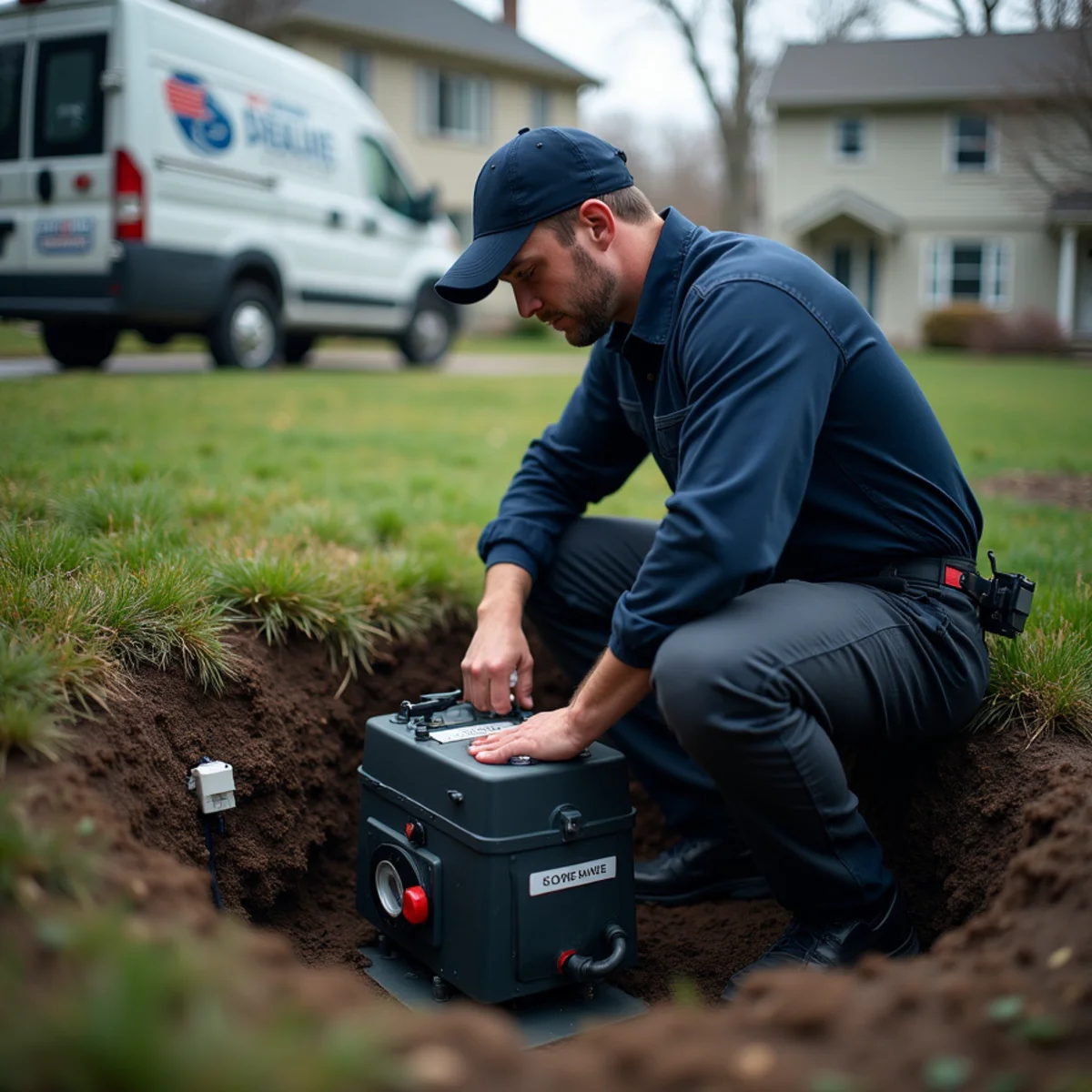
- If your basement has flooded more than once, ask about installing a backwater valve to stop the reverse flow for good.
Get Help Fast
Sewage in your basement is one emergency you should never handle alone or let sit. Stop using water, protect your family, and get professionals moving. If you are facing a sewage backup in Norristown, King of Prussia, or anywhere in southeastern Pennsylvania, call King of Prussia Plumbing Pros at (831) 290-4327 right now. We respond around the clock with the equipment and training to make your home safe again.
Frequently Asked Questions
Yes. Sewage is classified as black water and contains bacteria, viruses, and parasites. Avoid contact, keep family and pets away, and wear protective gear until professionals clean the area.
Heavy rain can overwhelm combined storm-and-sewer systems common in older Pennsylvania towns, forcing water and sewage back through the lowest drains in your home, often in the basement.
Standard policies often exclude sewer backup unless you carry a specific water-backup endorsement. Check your policy and document all damage with photos before cleanup starts.
It is a capped pipe, usually in the basement floor, a utility area, or just outside the foundation. Opening it during a backup relieves pressure and shows whether the clog is in your lateral. Locating it before an emergency saves critical time, since it is where a plumber gets the fastest access to clear the main line.