No Hot Water? Emergency Water Heater Help Explained
Waking up to an ice-cold shower is miserable. Here is how to troubleshoot no hot water, what you can safely check, and when to call a pro.
By King of Prussia Plumbing Pros · Published February 3, 2025 · Updated September 1, 2025
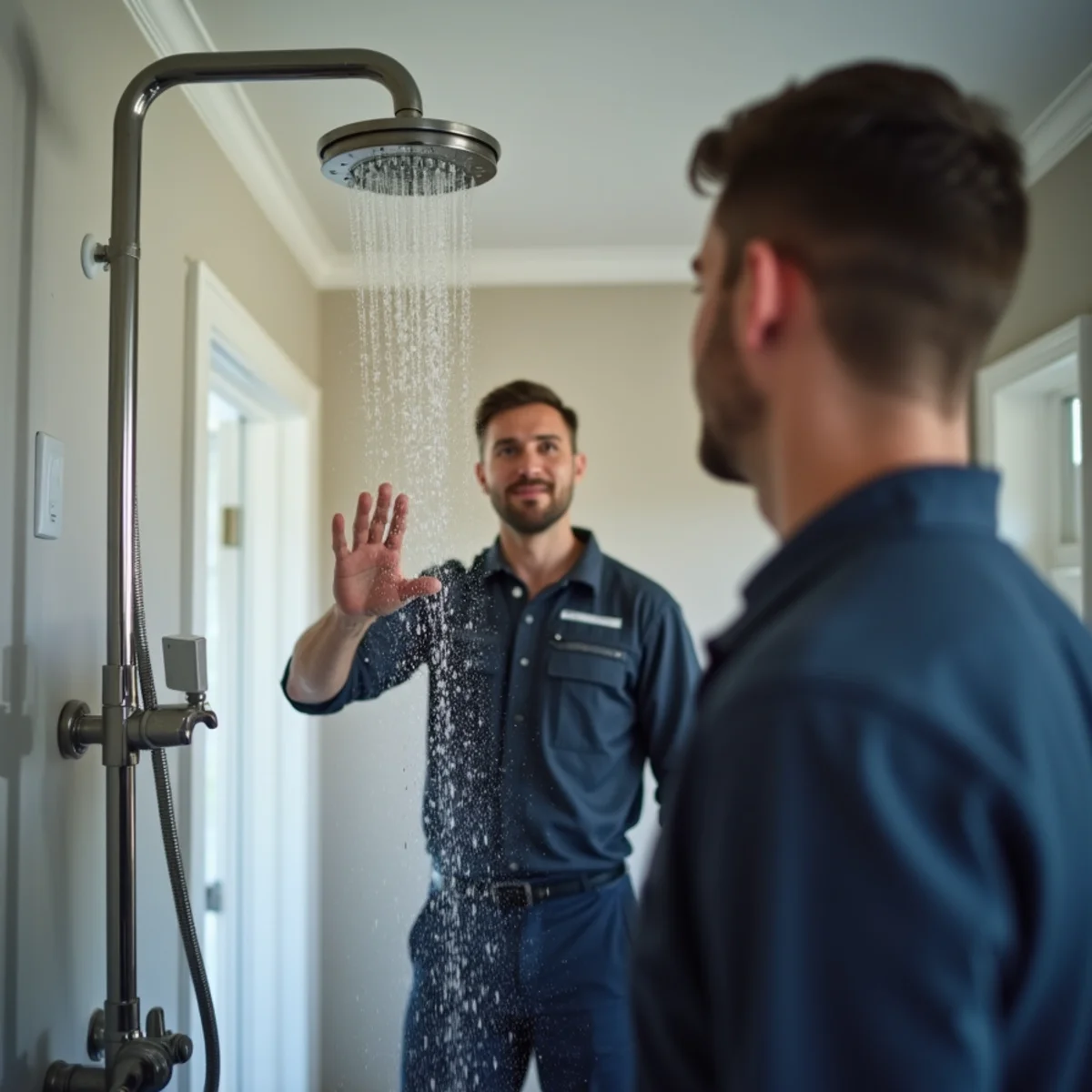
There is nothing quite like stepping into the shower on a cold Pennsylvania morning only to be hit with an icy blast. When the hot water disappears, it disrupts everything from showers to dishes to laundry. The good news is that some causes are simple to check yourself, while others need a professional. This guide helps you tell the difference and get your hot water back fast.
First, Do a Few Quick Checks
Before assuming the worst, run through these safe, simple checks. Sometimes the fix is easier than you think:
- Confirm it is only the hot water that is out, not your entire water supply.
- For a gas water heater, check whether the pilot light is lit and the gas supply valve is open.
- For an electric unit, check your breaker panel for a tripped breaker and reset it once.
- Make sure the thermostat on the tank is set to a normal temperature, around 120 degrees.
- Listen and look for any signs of leaking water around the base of the tank.
If you smell gas near your water heater, stop troubleshooting immediately, leave the house, and call your gas utility from a safe distance. Never relight a pilot when you smell gas.
Common Causes of No Hot Water
Water heaters fail for a handful of predictable reasons. Knowing them helps you describe the problem when you call for help:
Pilot Light or Ignition Failure
On gas units, a pilot light that keeps going out often points to a failing thermocouple or a dirty pilot assembly. If the pilot will not stay lit after one careful relight attempt, it is time for a technician.
Failed Heating Element or Thermostat
Electric water heaters use one or two heating elements. When one burns out, you may get lukewarm water or run out quickly. A faulty thermostat can also stop the elements from heating properly.
Sediment Buildup From Hard Water
This is a big one in our area. King of Prussia and towns like Wayne have hard water measuring around 7 grains per gallon, which leaves mineral sediment at the bottom of the tank. That layer insulates the water from the burner, reduces capacity, and eventually causes overheating and failure. If you hear popping or rumbling from the tank, sediment is likely the culprit.
A Leaking or Failed Tank
If you see water pooling around the base of the tank, the tank itself may be corroded through. A leaking tank cannot be repaired and needs replacement, ideally before it fails completely and floods the area.
When to Call a Professional
Some situations call for a licensed plumber right away rather than more DIY troubleshooting:
- Water pooling or dripping from the tank.
- A gas smell or a pilot that will not stay lit.
- A breaker that trips again immediately after resetting.
- Discolored, rusty, or foul-smelling hot water.
- No hot water at all after your basic checks.
Our technicians provide fast, reliable water heater repair throughout King of Prussia and Wayne, diagnosing the exact cause and giving you honest options. Many repairs, from thermocouples to heating elements to thermostats, can be handled the same day.
How to Prevent the Next Cold Shower
A little routine maintenance goes a long way toward avoiding surprise hot-water failures, especially in our hard-water region. The single most valuable habit is flushing the tank once a year to clear out the mineral sediment that our roughly 7 grains-per-gallon water leaves behind. That sediment is the leading cause of premature tank failure locally, so removing it protects both efficiency and lifespan. It is also worth testing the temperature-and-pressure relief valve annually, checking the anode rod every few years, and keeping the area around the unit clear so you can spot a leak early. Setting the thermostat to around 120 degrees balances comfort, safety, and energy use, and reduces strain on the tank. If your unit is aging and you rely heavily on hot water, scheduling a proactive inspection before winter is far cheaper than an emergency call on the coldest morning of the year.
Repair or Replace?
If your unit is under about eight years old and the tank is sound, repair is usually the smart move, with most repairs falling in the $150 to $700 range depending on the part. Once a tank passes ten to twelve years, shows corrosion, or needs a major component, replacement often makes more financial sense. Hard-water sediment shortens tank life here, so annual flushing is worth the effort. If you are weighing options, our detailed guide on water heater replacement costs for tank versus tankless breaks down the numbers.
From the Field: The Sediment Test We Run Before Condemning a Tank
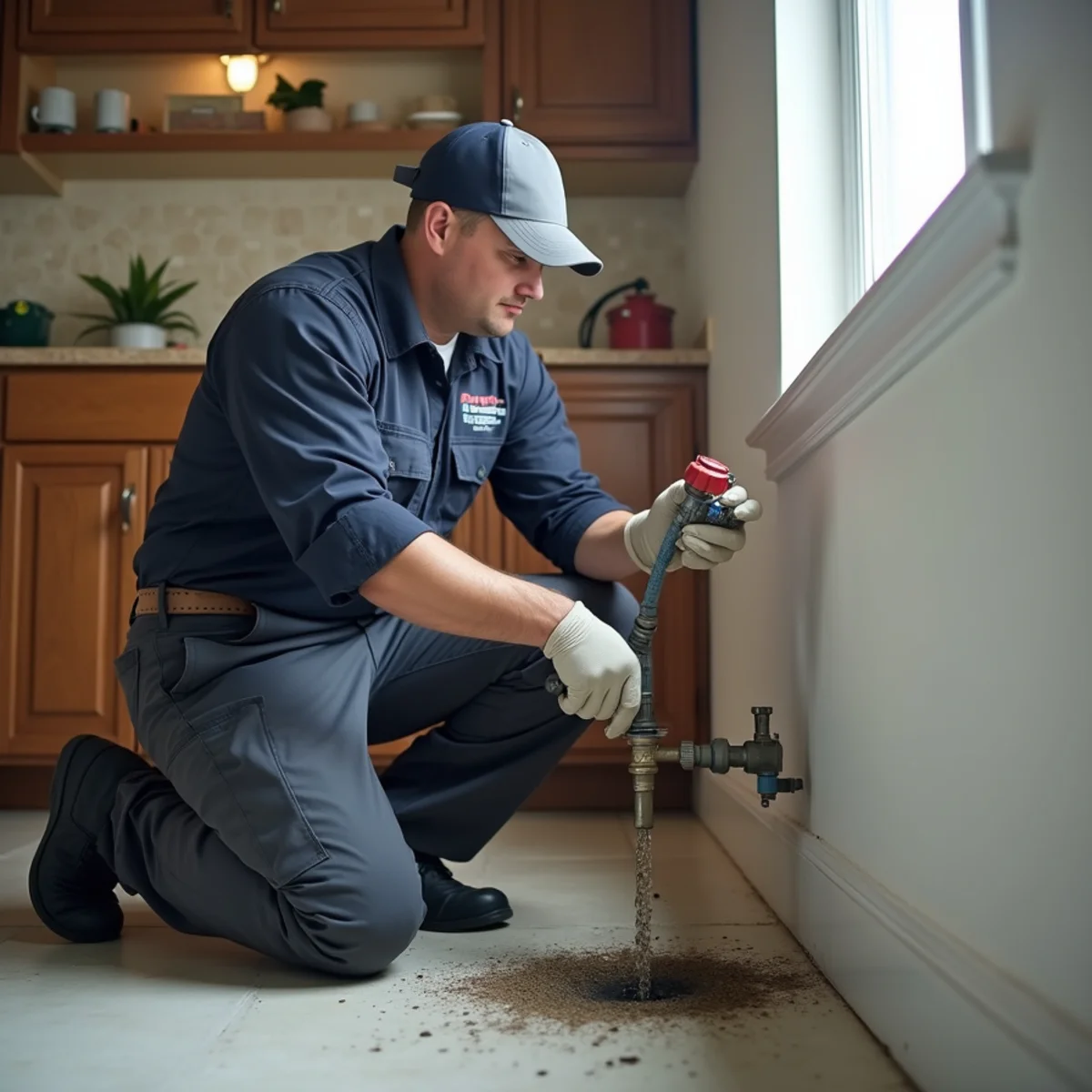
Before we tell anyone their heater is finished, we drain a few quarts from the tank's bottom valve into a bucket. If it runs cloudy and gritty with mineral flakes, sediment is the culprit, and on a tank under about eight years old a full flush and a fresh anode rod often bring it back to life instead of a replacement. That popping or rumbling you hear is steam bubbles fighting up through a sediment layer, and in our roughly 7-grain water it can build a solid inch across the tank bottom in just a few years. Two things DIYers overlook: a broken dip tube can dump incoming cold water straight to the top so you get lukewarm output from a perfectly good burner, and a lazy thermocouple will light but not hold. We check those cheap parts before quoting anything. If hard water keeps eating your heaters, pairing the next one with a whole-house water softener is the fix that actually lasts here.
- Drain a bucket from the tank's bottom valve; cloudy, gritty water means sediment, not a dead heater.
- On gas units, test whether the thermocouple holds the pilot before replacing the whole appliance.
- Suspect a broken dip tube when a healthy burner still delivers only lukewarm water.
Get Your Hot Water Back
A cold shower is a solvable problem. Run through the simple checks, watch for the warning signs that mean it is time for a pro, and do not let a leaking tank sit. If you have no hot water in Wayne, King of Prussia, or anywhere in southeastern Pennsylvania, call King of Prussia Plumbing Pros at (831) 290-4327. We will diagnose the issue quickly and get warm water flowing again.
Frequently Asked Questions
Common causes include a pilot light that went out, a tripped breaker, a failed heating element or thermostat, sediment buildup, or a leaking tank. Start with the simple checks, then call a pro if those do not resolve it.
Most tank water heaters last about 8 to 12 years, but our hard water at roughly 7 grains per gallon speeds up sediment buildup, so annual flushing helps you reach the higher end of that range.
Yes. A leaking tank can fail suddenly and flood the area. Shut off the water supply to the unit and call a plumber promptly, as a leaking tank usually needs replacement.
Lukewarm water usually means one of two electric heating elements has failed, a thermostat is set low or malfunctioning, or a broken dip tube is letting cold water mix in at the top of the tank. Heavy sediment reducing capacity can also cut your hot supply short. A quick diagnostic tells you which part is at fault.