Will Insurance Pay for a Burst Pipe in Pennsylvania?
Burst pipe damage can cost thousands. Here is what Pennsylvania homeowners insurance typically covers, what it excludes, and how to strengthen your claim.
By King of Prussia Plumbing Pros · Published February 24, 2025 · Updated September 1, 2025

A burst pipe rarely announces itself politely. One minute everything is fine, the next you have water damage across ceilings, floors, and belongings, and a very reasonable question: will my insurance pay for this? For Pennsylvania homeowners, the answer is usually yes, with important conditions. Understanding those conditions before disaster strikes helps you protect both your home and your claim.
The Key Rule: Sudden and Accidental
Standard homeowners policies in Pennsylvania generally cover water damage that is sudden and accidental. A pipe that unexpectedly freezes and bursts is the textbook example. In most cases, your policy covers:
- The water damage to your home's structure: drywall, flooring, ceilings, and insulation.
- Damage to personal belongings like furniture and electronics.
- The cost of water extraction, drying, and mold remediation when done promptly.
- Additional living expenses if the damage makes your home temporarily uninhabitable.
Here is the catch most homeowners miss: insurance covers the water damage, but usually not the cost of repairing the pipe itself. The failed pipe is considered a maintenance item.
What Insurance Typically Will Not Cover
Claims get denied most often when damage is tied to neglect rather than a sudden event. Watch out for these common exclusions:
- Gradual leaks that went unaddressed, sometimes for weeks or months.
- Damage from a pipe that froze because the home was left unheated during winter.
- Long-term corrosion, wear, and lack of maintenance.
- Sewer or drain backup, unless you carry a specific water-backup endorsement.
- Mold that resulted from delayed cleanup outside the reasonable drying window.
That freezing exclusion matters here. If you leave for a winter trip and turn the heat off, and a pipe bursts in the cold, an insurer may argue you failed to maintain heat. Keeping your thermostat at a safe temperature is not just good practice; it protects your coverage.
How to Strengthen Your Claim
The steps you take in the first hours after a burst pipe have a direct impact on your claim. Insurers expect you to mitigate further damage, so acting fast actually helps you:
- 1Shut off the water and document the scene with photos and video before cleaning up.
- 2Save the failed section of pipe for the adjuster to examine.
- 3Take reasonable steps to stop further damage, such as extracting water and drying the area.
- 4Keep receipts for emergency repairs, cleanup, and temporary lodging.
- 5Report the claim to your insurer promptly and keep a written log of all communication.
- 6Get a professional repair estimate and keep the invoice.
For the immediate response, follow our step-by-step guide on the first five things to do when a pipe bursts. Prompt professional burst pipe repair not only fixes the problem but demonstrates to your insurer that you acted responsibly to limit the loss.
The Role of Leak Detection
One of the strongest defenses against a denied claim is catching leaks before they become disasters. Slow, hidden leaks behind walls or under slabs are exactly the kind of gradual damage insurers exclude. Our professional leak detection uses acoustic and thermal tools to find hidden leaks early, so you can repair them while they are cheap and clearly documented rather than discovering months of damage all at once.
Working With the Adjuster
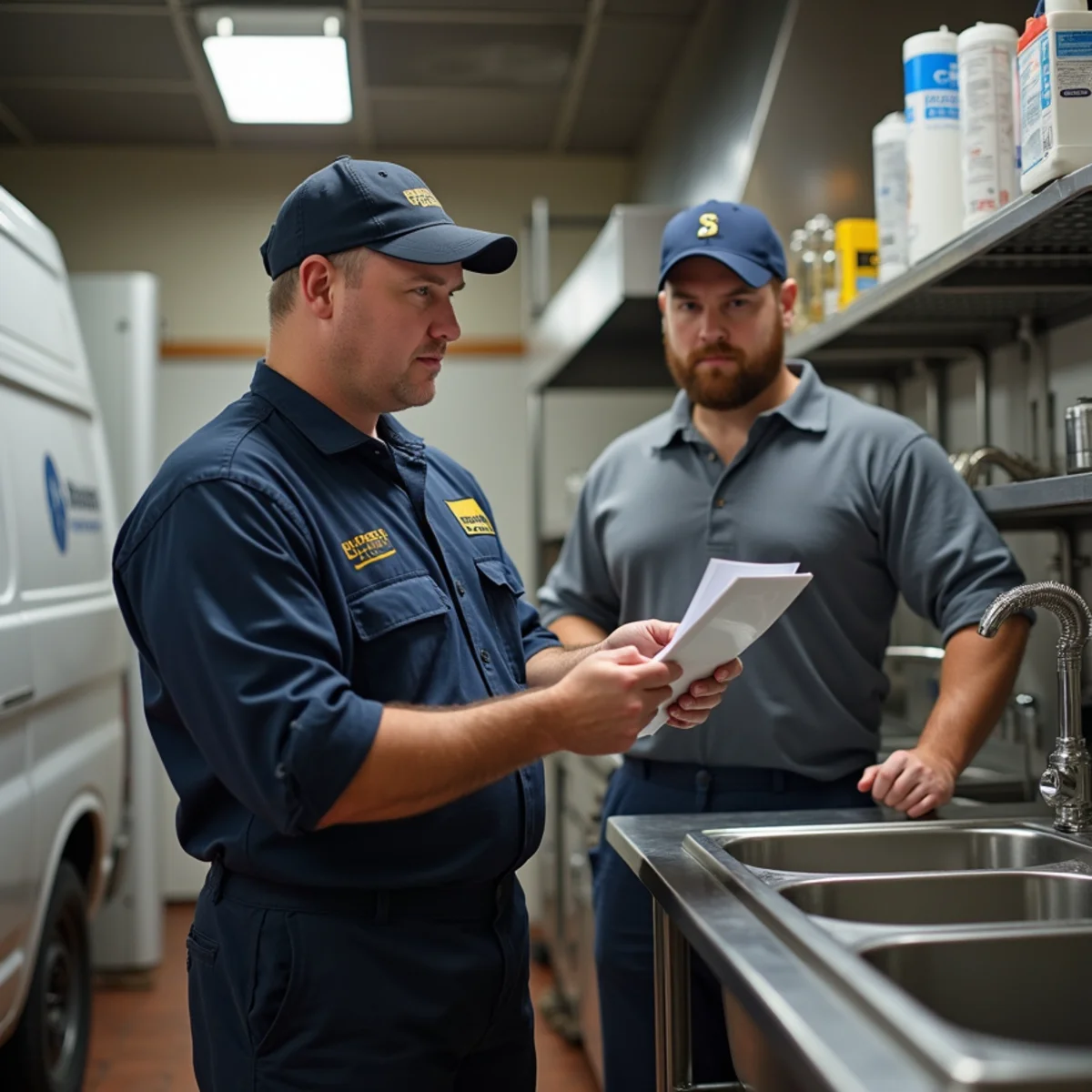
When your insurer sends an adjuster, remember that their job is to assess the loss on behalf of the company. Being organized and thorough works in your favor. Have your photos, video, the saved pipe section, and your written timeline ready, along with any professional repair estimates. Be factual about what happened and when you discovered it, since an honest, well-documented sudden event is exactly what your policy is designed to cover. If the adjuster's estimate seems low or the initial response is a denial, you have the right to ask for a written explanation citing the specific policy language, and you can request a re-inspection or bring in your own licensed plumber's assessment to support your case. Keeping copies of every email, letter, and phone note creates a paper trail that protects you if the claim becomes complicated.
Understanding Your Deductible and Costs
Even with a covered claim, you pay your deductible before coverage kicks in, so a smaller burst may cost less than your deductible and not be worth filing. The pipe repair itself, which insurance usually excludes, varies with access and pipe material, and we provide a clear written estimate up front. Weigh the deductible against the total damage, and remember that filing frequent claims can affect your premium. When in doubt, get the repair estimate first, then decide.
From the Field: The Documentation That Turns a 'Maybe' Into a Paid Claim
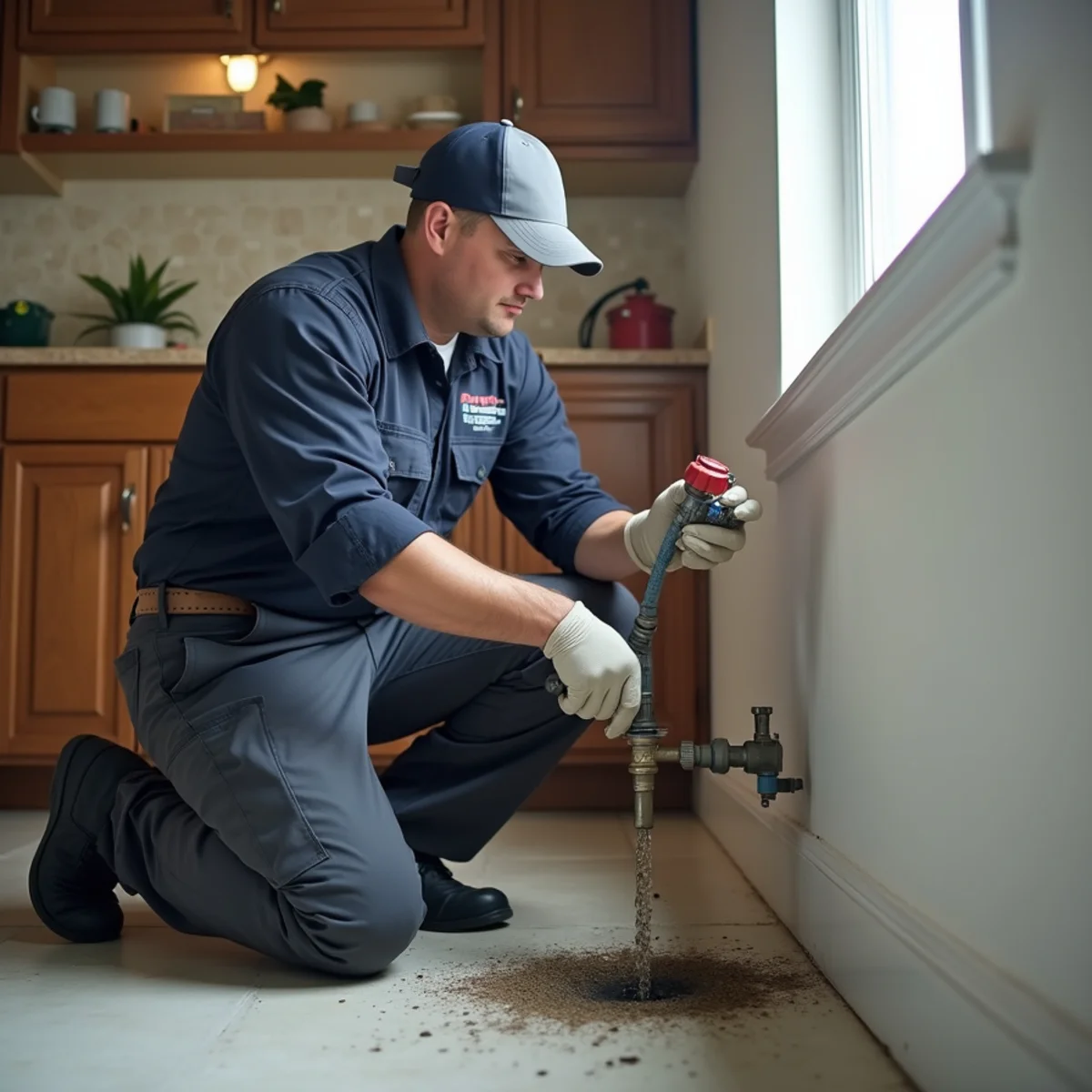
The claims that get paid cleanly are the ones where the homeowner can prove two things: that the failure was sudden, and that they moved fast to limit it. When we handle burst-pipe repairs, we help build that record without being asked, because it is exactly what adjusters look for. We photograph the failed section in place before cutting it, bag it, and note the split pattern, since a clean freeze rupture supports a sudden-and-accidental claim while green corrosion invites a gradual-damage denial. We log moisture readings from a meter as we dry the structure, which shows you mitigated inside the reasonable window. And we write the estimate so it separates the excluded pipe repair from the covered water-damage restoration, so the adjuster is not left guessing what falls under your policy. When flooding is heavy, documented water extraction and drying becomes part of that same paper trail, and it is often the difference between full payment and a fight.
- Photograph the failed pipe in place, then bag and keep it for the adjuster to inspect.
- Ask your plumber for moisture-meter readings and dated drying logs as proof you mitigated.
- Request an estimate that lists the excluded pipe repair separately from covered restoration.
Know Your Coverage Before You Need It
The best time to understand your policy is before a pipe bursts, not after. Read your declarations page, ask your agent about water-backup and service-line endorsements, and keep your home heated through Pennsylvania winters. When a burst does happen, document everything and get professional repairs quickly. For fast, well-documented repair work anywhere in Montgomery County and southeastern Pennsylvania, call King of Prussia Plumbing Pros at (831) 290-4327. You can also explore our full services on our homepage.
Frequently Asked Questions
Usually yes for the resulting water damage, as long as the burst was sudden and accidental. However, most policies do not cover repairing the pipe itself, and gradual leaks or damage from an unheated home may be excluded.
It can be. If a pipe freezes and bursts because the home was left unheated in winter, insurers often deny the claim as a maintenance failure. Keeping heat on protects your coverage.
Compare the total damage to your deductible first. If the repair and cleanup cost less than your deductible, filing may not be worthwhile, and frequent claims can raise your premium.
Most policies require prompt notice, and many spell out a filing window, so report it within days, not weeks. Waiting lets the insurer argue you failed to mitigate and allowed mold or rot to spread. Call your insurer as soon as the water is off and the scene is documented, then follow up in writing.