Winter Plumbing Checklist for King of Prussia Homeowners
A little preparation before the cold sets in prevents frozen and burst pipes. Here is a practical winter plumbing checklist for local homeowners.
By King of Prussia Plumbing Pros · Published June 30, 2025 · Updated September 1, 2025
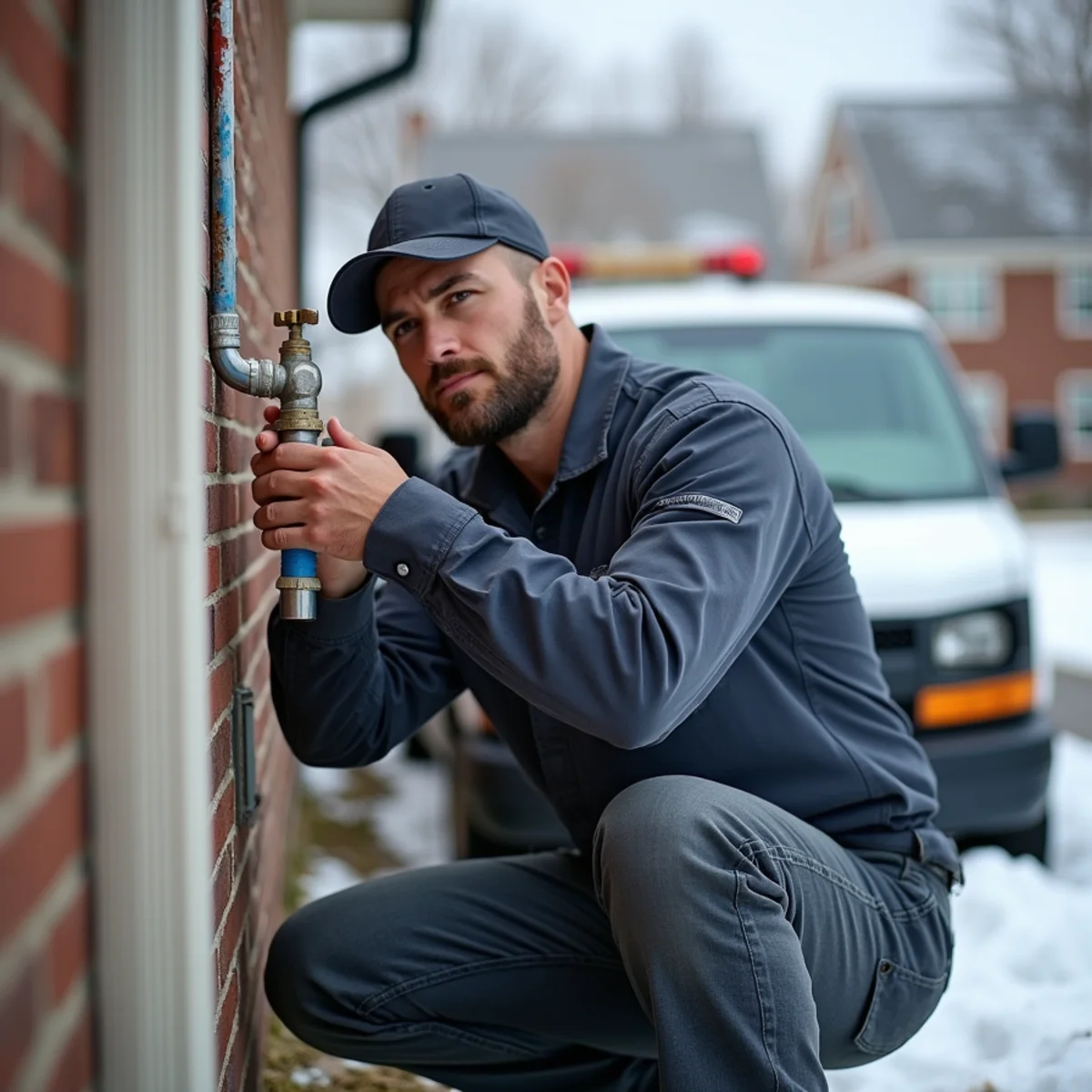
Winter in King of Prussia is not the harshest in the country, but it is more than cold enough to burst a pipe. Our Februarys average around 6.4 inches of snow, and the real danger comes on those clear, still nights when temperatures dive well below freezing and stay there. The homeowners who sail through the season are the ones who spent an hour in the fall getting ready. This checklist walks you through it.
At King of Prussia Plumbing Pros, the winter emergencies we run are overwhelmingly preventable. The physics is simple: water expands as it freezes, and an eighth-of-an-inch of ice inside a pipe can generate enough pressure to split it. The split often does not leak until the ice thaws, which is why a cold snap can end with a flood a day or two later. Prevention is far cheaper than cleanup.
Before the First Hard Freeze
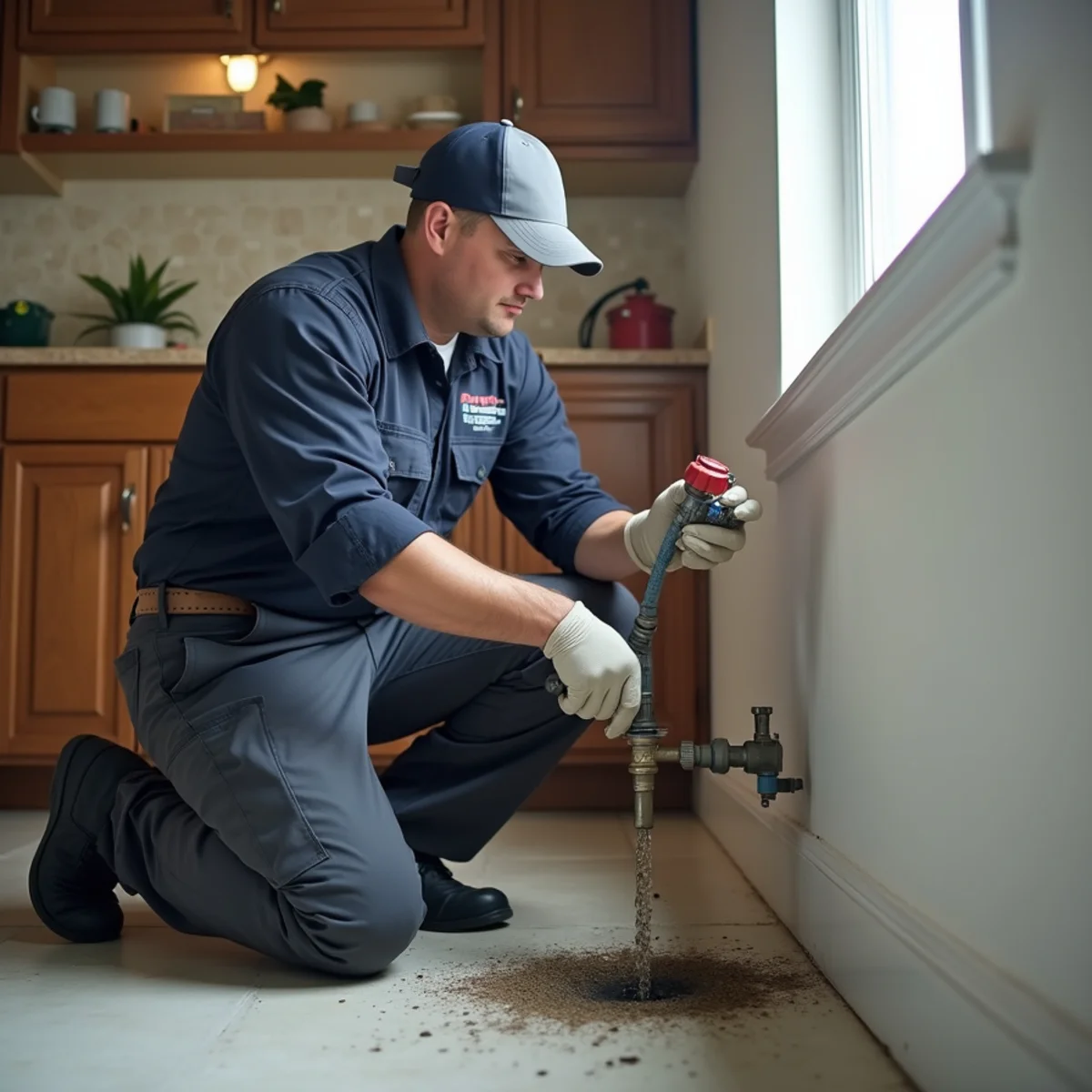
- 1Disconnect and drain garden hoses, shut off the interior valve to each outdoor spigot, and open the spigot to let it drain. A connected hose traps water in the bib and is a classic cause of a burst just inside the wall.
- 2Insulate exposed pipes in the basement, crawlspace, garage, and along exterior walls with foam sleeves. Pay special attention to any pipe that runs through an unheated space.
- 3Seal air leaks near pipes, around rim joists, foundation cracks, and where lines enter the house. A cold draft blowing on a pipe is often what tips it over the edge.
- 4Locate your main water shutoff and make sure everyone in the house knows where it is and how to turn it off. In an emergency, seconds matter.
- 5Service the water heater so it is ready for peak winter demand, and consider flushing sediment before the season it works hardest.
Know where your main shutoff is before you need it. When a pipe lets go, the difference between a mop-up and a disaster is often just how fast someone gets to that valve. Tag it, and make sure it turns freely.
During a Cold Snap
When the forecast calls for a hard freeze, a few simple habits keep water moving and pipes above the danger line.
- Let vulnerable faucets drip overnight. Moving water is far harder to freeze, and a slow trickle relieves the pressure that actually bursts pipes.
- Open cabinet doors under kitchen and bathroom sinks on exterior walls so household heat can reach the supply lines.
- Keep the thermostat steady, day and night, and never let it drop too low to save a few dollars while you are away. Set it no lower than the mid-fifties.
- If you travel, have someone check the house, or shut off the main and drain the system so there is no water sitting in the pipes to freeze.
If a Pipe Freezes
A faucet that suddenly produces only a trickle on a cold morning is your warning that a pipe has frozen. Act before it bursts. Keep the faucet open so water can escape as the ice melts, and apply gentle heat to the frozen section with a hair dryer or a space heater kept at a safe distance, working from the faucet end back toward the blockage. Never use an open flame. If you cannot reach the frozen area or you suspect it has already cracked, call for help immediately.
This is exactly the situation our frozen pipe repair service exists for. We can thaw a line safely, check it for the damage freezing may have already caused, and get your water flowing without turning a frozen pipe into a burst one. Speed matters, because a frozen pipe that splits does not stay quiet for long.
When Prevention Fails
Sometimes, despite everyone's best efforts, a pipe bursts. When it does, the priority is stopping the flow and limiting the damage. Shut off the main immediately, then call for emergency help. Our burst pipe repair team responds fast to stop the water, repair or replace the failed section, and help you get ahead of the water damage before it spreads into walls and floors. The faster the water stops, the smaller the repair bill on the other side.
A Local Habit Worth Keeping
Winter readiness is one of the best returns on effort in home maintenance. An afternoon of insulating and sealing costs almost nothing next to the cleanup after a burst. We help homeowners get ready across Montgomery County every fall, and you can always start from our home page to see the full range of ways we keep local plumbing running through the cold months.
From the Field: The Pipes That Freeze First, and Why
After enough January call-outs, you learn that frozen pipes are not random; they cluster in predictable spots. The classic offender in King of Prussia homes is the supply line running through an exterior wall behind a kitchen sink, especially on the north side where the sun never reaches and a draft from a rim joist or a gap around the pipe penetration blows directly on the copper. Garage-wall lines and pipes in unheated additions are close behind. These freeze even when the basement stays warm, because the cold is local, not whole-house.
What pros check that homeowners miss is the air path, not just the pipe. We hunt down the draft feeding the cold spot and seal it, because insulation wrapped over a pipe that still has freezing air blowing across it only delays the inevitable. A cheap foam sleeve plus sealing the actual leak beats heat tape and hope. If a line does freeze and you cannot safely reach it, our emergency frozen pipe thawing crew can open it up and check for a split before it thaws into a flood.
Run through this checklist before the first hard freeze and you will dramatically cut your odds of a winter plumbing emergency. If you would rather have a professional handle the prep, or you are already staring at a frozen or burst pipe, call King of Prussia Plumbing Pros at (831) 290-4327. We will get you winter-ready or get the water stopped, whichever you need.
Frequently Asked Questions
The rule of thumb is that pipes become vulnerable once the outside temperature drops to about 20 degrees Fahrenheit or below, especially on exposed or uninsulated lines. The real danger comes on still, clear nights when temperatures dive and stay there for hours. Pipes in unheated basements, crawlspaces, and exterior walls are the first to go.
Yes, and it works two ways. Moving water is much harder to freeze than still water, and, just as important, an open faucet relieves the pressure that actually bursts a pipe when ice forms. A slow trickle on the most vulnerable fixtures during a hard freeze is a cheap, effective safeguard.
It is a smart move. Shutting off the main and draining the system removes the water that could freeze while you are gone, so a cold snap cannot burst a pipe into an empty house for days. If you would rather leave the water on, at least keep the heat set no lower than the mid-fifties and have someone check the house.
It is worth a look. Freezing can stretch or crack a pipe or stress a fitting without leaking right away; the failure often shows up days later once the ice fully thaws and full pressure returns. If a line froze hard enough to stop flow, have it inspected for hairline damage and weeping joints so a near-miss this week does not become a burst next month.