What a Whole-House Repipe Costs in SE Pennsylvania
A whole-house repipe is a big project. Here is what it costs in southeastern Pennsylvania, the signs you need one, and why PEX often wins.
By King of Prussia Plumbing Pros · Published March 24, 2025 · Updated September 1, 2025
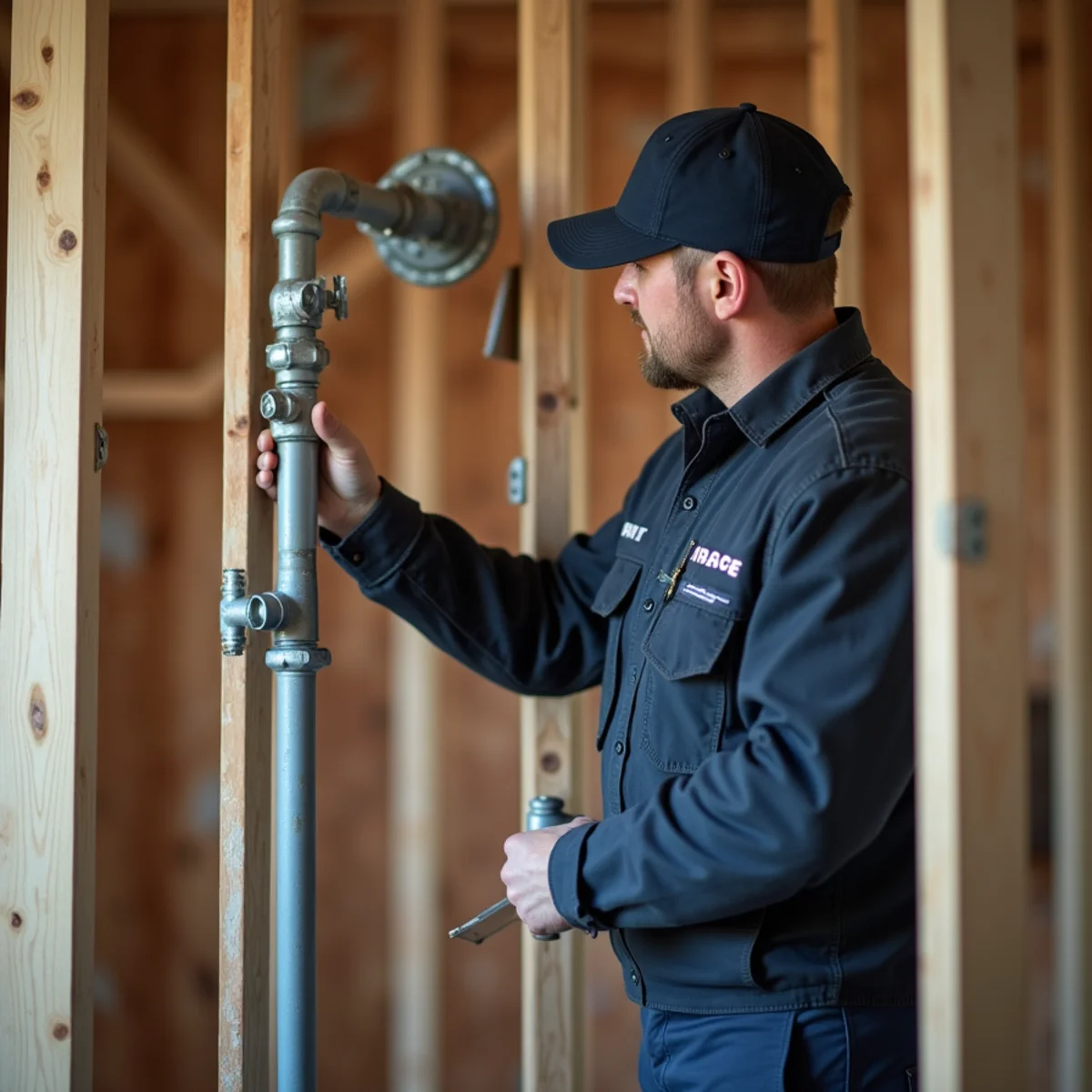
If you are dealing with rusty water, recurring leaks, or pipes that date back to the Eisenhower administration, you may be facing a whole-house repipe. It sounds daunting, and it is a real investment, but replacing failing plumbing all at once is often far cheaper than patching leak after leak while water damage piles up. Here is what homeowners in southeastern Pennsylvania should expect.
Whole-House Repipe Cost Ranges
The cost of a repipe depends on your home's size, the number of bathrooms, the pipe material chosen, and how accessible the existing plumbing is. As a working range for our area:
- PEX repipe: commonly $4,000 to $10,000 for a typical single-family home.
- Copper repipe: often $8,000 to $20,000 or more, given higher material and labor costs.
- Larger homes and homes with more bathrooms sit at the higher end of each range.
- Homes with finished walls and limited access require more drywall work, adding to labor.
A repipe estimate should always include the cost of patching and repairing the drywall and finishes we open to reach the pipes. Ask any contractor to spell out exactly what restoration is included.
Why PEX Usually Wins Today
Most modern repipes in our region use PEX, a flexible plastic tubing, rather than copper. There are good reasons for that:
- PEX costs less in both material and labor because it installs faster with fewer fittings.
- Its flexibility means fewer connection points, and fewer joints means fewer places to leak.
- PEX resists the scale buildup that our hard water, around 7 grains per gallon, causes in metal pipes.
- It handles freeze conditions better than rigid pipe, expanding slightly rather than immediately splitting, a real advantage in Pennsylvania winters.
Copper still has its place, particularly where homeowners prefer it, but for most families a quality PEX repipe delivers excellent value and longevity. Our repiping services team can walk you through the tradeoffs for your specific home.
Signs Your Home Needs a Repipe
A repipe is not something you do on a whim, but certain warning signs tell you the whole system is nearing the end of its life:
- Rusty, discolored, or metallic-tasting water, a sign of corroding galvanized steel pipes.
- Frequent pinhole leaks that keep appearing in different spots.
- Chronically low water pressure throughout the house from mineral buildup inside the pipes.
- Old galvanized or polybutylene piping, common in homes built before the 1980s.
- Visible corrosion, flaking, or green stains on exposed pipes.
Older communities like Levittown and Upper Darby have plenty of mid-century homes with original galvanized plumbing that is now well past its prime. If your home is in that era, a professional assessment is worth scheduling before a hidden leak causes major damage.
The Value of Leak Detection First
Before committing to a full repipe, it is smart to confirm the scope of the problem. Our leak detection service uses acoustic and thermal technology to map hidden leaks and pinpoint failing sections. Sometimes the findings support a targeted repair; other times they confirm that a whole-house repipe is genuinely the more cost-effective path than chasing leaks indefinitely.
Why Repiping Beats Endless Repairs
The hardest part of the repipe decision is psychological: it feels like a large, avoidable expense when each individual leak seems small. But that is precisely the trap. Homes with failing galvanized or polybutylene plumbing rarely have just one bad spot. Once corrosion or degradation sets in, leaks appear one after another, and each emergency repair means another call-out fee, another patch of opened drywall, and often another round of water damage. Add up three or four of those over a couple of years and you have spent a substantial portion of a full repipe with nothing lasting to show for it, and the underlying system is still failing. A whole-house repipe stops that cycle by replacing the entire system at once, restoring full water pressure, eliminating the rusty water, and giving you plumbing you can forget about for decades. For homeowners planning to stay in their home, it is one of the highest-value investments you can make in the house.
How Long Does a Repipe Take?
Most whole-house repipes take two to five days depending on the home's size and complexity. A skilled crew minimizes disruption, works section by section to keep water available when possible, and handles the drywall restoration afterward. Compared with the ongoing cost and stress of repeated leaks, water damage, and emergency calls, a planned repipe is a one-time fix that restores clean water pressure and peace of mind for decades.
From the Field: What We Look For Before Quoting a Repipe
A repipe quote is really a quote on access, not on pipe. Before we price anything, we walk the house to map how we will reach the lines with the fewest, smallest wall openings, because drywall patching and paint are a real chunk of the bill. We check whether the existing runs are trunk-and-branch or whether a home-run manifold layout makes sense, which gives each fixture its own dedicated line and steadier pressure when two taps run at once. We also confirm exactly what we are replacing: gray polybutylene, common in some 1980s builds around Levittown, is brittle and worth pulling entirely, while sound copper feeding just a couple of trouble spots might only need targeted work. And we gauge incoming pressure and inspect the meter and main shutoff, because there is no sense installing new lines behind a failing valve. That walkthrough is why two honest quotes on the same house can still differ; the access plan drives the labor.
- Ask exactly how many wall openings the plan requires and who patches and paints them.
- Have the crew confirm your pipe material, since polybutylene is worth pulling out entirely.
- Make sure the incoming pressure and main shutoff valve are checked before any new pipe goes in.
Invest Once, Solve It for Good
If your home is fighting rusty water, low pressure, and recurring leaks, throwing money at repairs one at a time rarely pays off. A whole-house repipe with modern PEX is a lasting solution that protects your home and your water quality. For an honest assessment and a detailed estimate in Levittown, Upper Darby, King of Prussia, or anywhere in southeastern Pennsylvania, call King of Prussia Plumbing Pros at (831) 290-4327.
Frequently Asked Questions
A PEX repipe typically runs about $4,000 to $10,000 for a single-family home, while copper often runs $8,000 to $20,000 or more. Home size, number of bathrooms, and wall access all affect the final price.
For most homes, PEX offers excellent value: it costs less, installs faster with fewer leak-prone joints, resists hard-water scale, and handles freezing better than rigid pipe. Copper remains an option where preferred.
Frequent pinhole leaks, rusty water, chronic low pressure, and old galvanized or polybutylene piping point toward a repipe. A leak detection assessment confirms whether targeted repairs or a full repipe is more cost-effective.
Usually yes. Most repipes take two to five days, and a good crew works section by section so you have water restored by the end of each day, with only short shutoffs while they tie in. You will have some drywall openings to live around until patching, but you rarely need to move out.