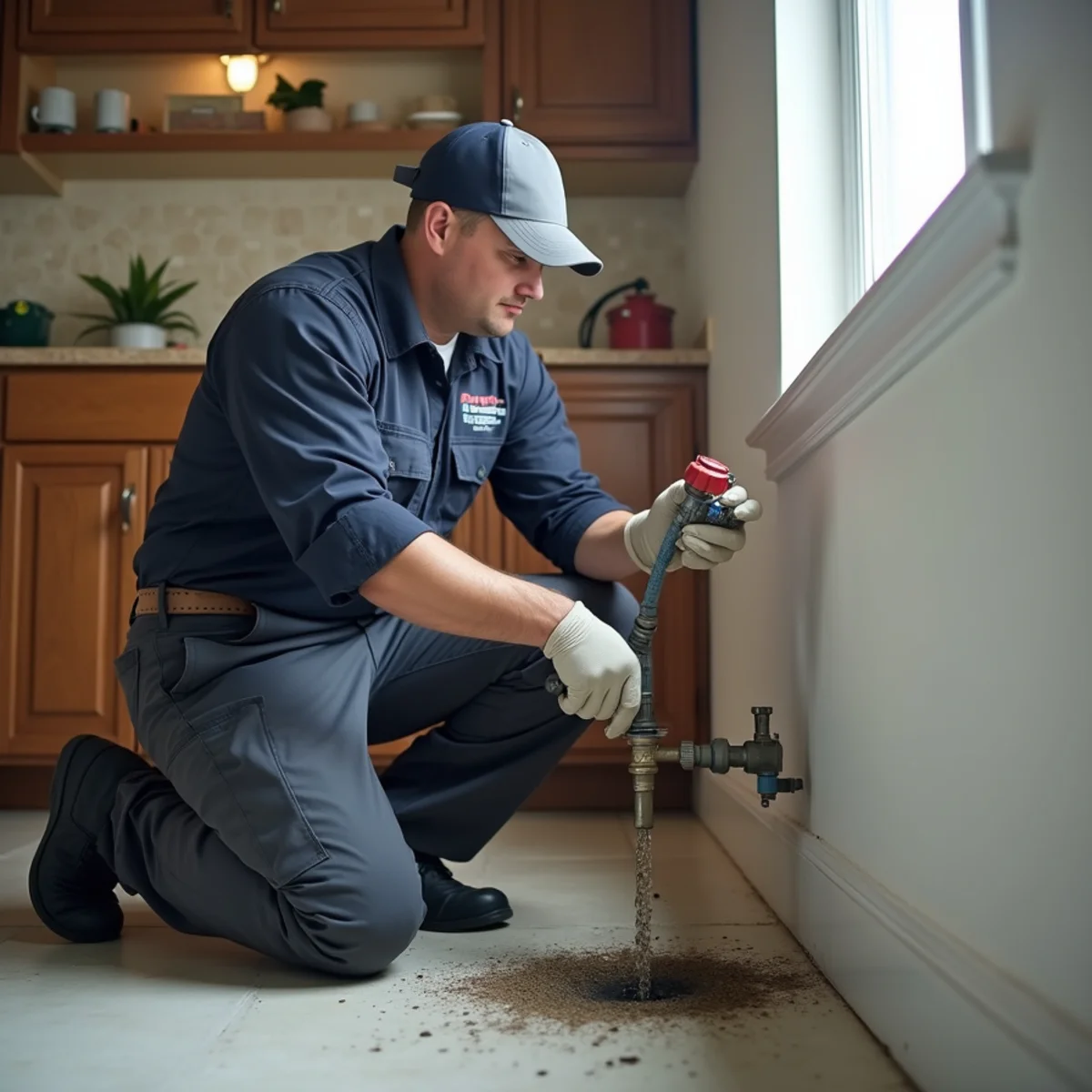
Sump Pump Battery Backup: Why PA Storm Seasons Demand One
Storms knock out power exactly when your sump pump is needed most. A battery backup keeps it running when the grid fails. Here is why it is essential.
By King of Prussia Plumbing Pros · Published July 28, 2025 · Updated September 1, 2025
There is a cruel irony built into the standard sump pump. It is your basement's defense against flooding, but it runs on household electricity, and the storms most likely to flood your basement are also the storms most likely to knock out your power. The moment groundwater is rising fastest is often the exact moment your pump goes silent. In Pennsylvania's storm seasons, that is not a rare coincidence; it is a predictable failure mode.
At King of Prussia Plumbing Pros, we have been called to too many flooded basements where the pump was perfectly good and simply had no power. A battery backup closes that gap, and for anyone who relies on a sump pump, it is one of the smartest investments you can make. Here is how it works and why it matters here.
The Gap a Backup Fills
A primary sump pump does its job well right up until the power fails. Then it is just a piece of plastic sitting in a filling pit. Meanwhile the water keeps coming, and without a pump to eject it, the pit overflows and the basement floods, sometimes within an hour. A battery backup system is a second pump, or a backup power source for your primary, that switches on automatically the instant grid power drops. It buys you the hours you need to ride out the outage.
- Severe thunderstorms in spring and summer bring the heaviest rain and the most lightning-related outages at the same time.
- Remnants of tropical systems can dump enormous rainfall over a day or two while taking down power lines with wind and falling limbs.
- Winter storms combine heavy precipitation with ice that snaps power lines just as snowmelt raises the water table.
Ask yourself one question: if the power went out during the next big storm, would your basement stay dry? If the honest answer is no, a battery backup is not optional equipment. It is the piece of the system that works when everything else stops.
How a Battery Backup System Works
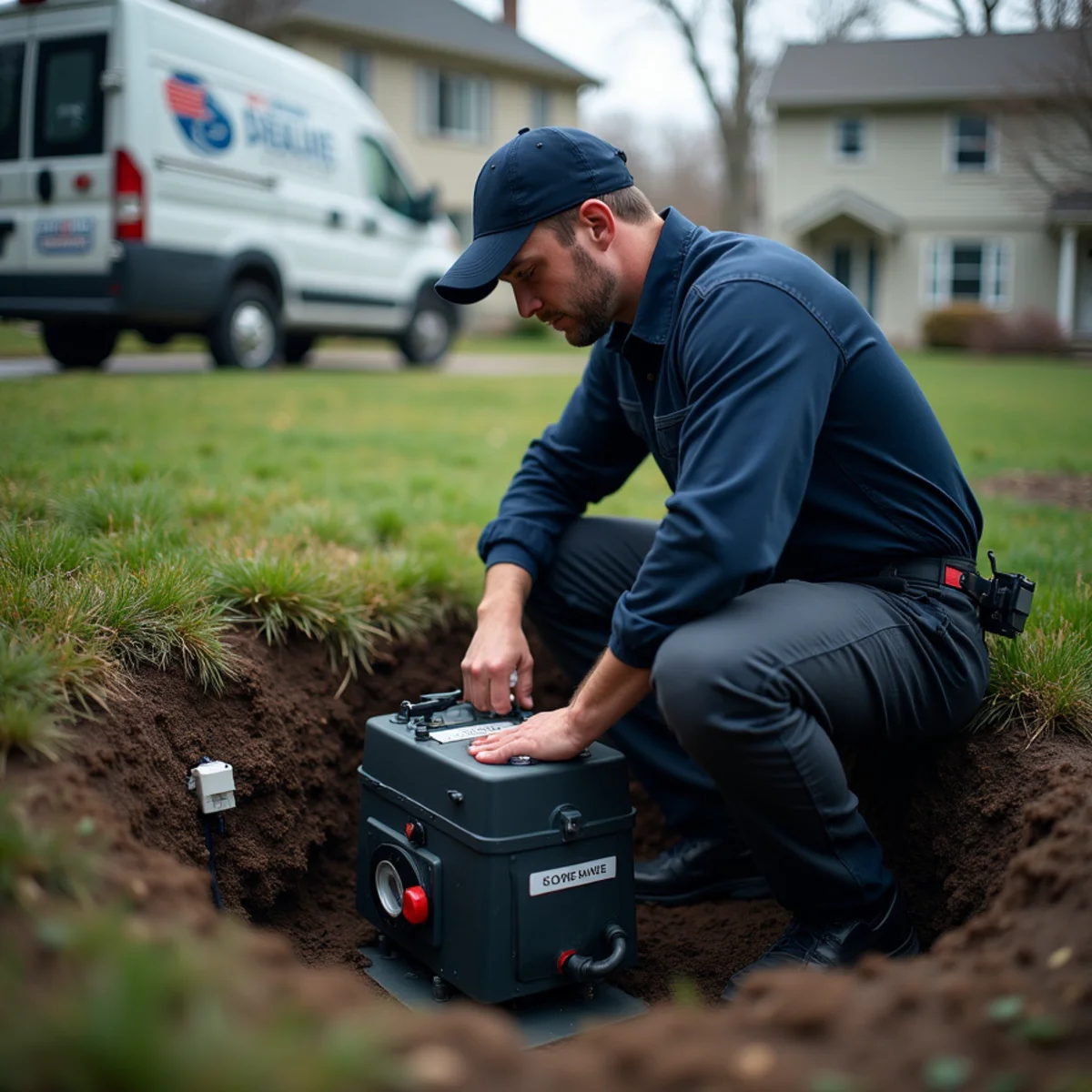
A battery backup sits alongside your primary pump and stays charged off household power. When it senses that the primary pump has lost power or cannot keep up with the incoming water, it activates its own DC-powered pump and runs off the battery. A quality system can pump for many hours on a single charge, and it alarms to alert you that it has taken over so you are not caught unaware. The better units also warn you when the battery itself is aging and needs replacement.
There are two common configurations: a dedicated backup pump that only runs during an outage, and a system where the backup shares the pit and can also assist the primary during extreme inflow. We help you choose based on your basement's risk profile, how often you lose power, and how much water your pit takes on during a heavy storm.
More Than an Outage Insurance Policy
A backup also covers failures that have nothing to do with the power grid. If your primary pump's motor burns out, its float switch sticks, or it simply cannot keep up with an extreme storm, the backup steps in. In that sense it is redundancy against every single point of failure in your sump system, not just the electrical one. For a finished basement or one that houses your furnace and water heater, that redundancy is well worth it.
Installation and Upkeep
A battery backup is only as good as its maintenance. Batteries lose capacity over time and typically need replacing every few years, and a backup that has never been tested is a gamble. As part of our sump pump services, we install and integrate backup systems with your existing pump, then help you keep them ready with periodic testing and battery checks. We would rather test your system on a sunny afternoon than meet it for the first time during a flood.
And when a system does get overwhelmed, whether by a historic storm or a failure no one caught in time, our basement flood cleanup crews are ready to extract the water, dry the space within the EPA's 24 to 48 hour window, and disinfect it before mold sets in. Prevention is always the goal, but we are here for the aftermath too.
Local Homes That Need One Most
Riverside and low-lying communities feel this most acutely. In Yardley, homes near the Delaware and its tributaries see both high water tables and storm-driven outages, a combination that punishes any pump without a backup. In Bristol, older neighborhoods with basements built long before modern waterproofing rely heavily on their pumps, and a power failure at the wrong moment is exactly the scenario a backup is built for.
From the Field: Battery Chemistry and the Runtime Numbers That Hold Up
The runtime a backup delivers depends heavily on the battery, and the spec-sheet number assumes a fresh battery pumping intermittently against light inflow. In a real storm the pump cycles far more often, so plan for a fraction of the advertised hours. We steer flood-prone homes toward a deep-cycle AGM battery over a standard starting battery, because AGM tolerates the repeated deep discharges a storm demands and does not off-gas the way a flooded lead-acid battery does in a closed basement.
What owners overlook is that a backup on a dying battery gives no obvious warning until the night it is finally needed. We set the system to alarm on low battery and test it under load, not just confirm the light is green, because a battery can read charged and still collapse the moment the pump draws real current. For homes that lose power often, a second battery or a generator-ready setup is worth discussing as part of a full sump pump maintenance plan, rather than trusting one battery to outlast a multi-day outage.
If your basement matters to you, its defense should not have a single point of failure. Do not wait for the next outage to discover that your pump had no power when it counted. Call King of Prussia Plumbing Pros at (831) 290-4327, and we will assess your setup, recommend the right backup, and make sure your basement stays dry even when the lights go out.
Frequently Asked Questions
It depends on the system and how much water is coming in, but a quality backup can typically pump intermittently for many hours to over a day on a single charge, and longer when the inflow is light. That is usually enough to outlast a typical storm-related outage. We size the system to your basement's actual water volume.
Yes. A brand-new pump is still useless the moment it loses power, and storms take out the grid exactly when you need pumping most. A backup also covers a stuck float switch, a burned-out motor, or an inflow that overwhelms the primary. It protects against every failure mode, not just an aging pump.
Backup batteries lose capacity over time and generally need replacing every three to five years, sometimes sooner with heavy use. Because a backup you never test is a gamble, we recommend periodic testing and a battery check as part of routine sump maintenance so the system is ready when a real storm arrives.
You can, but you should not. A car starting battery is built for short, high-current bursts and degrades quickly under the repeated deep discharges a sump backup demands, so it can fail early and without warning. A deep-cycle AGM battery is designed for exactly this duty, lasts longer, and does not vent gas in an enclosed basement. The small extra cost buys real reliability.