Schuylkill River Flooding: Protecting Basements in Bridgeport & Norristown
Homes near the Schuylkill in Bridgeport and Norristown face real flood risk. Here is how to keep river water and groundwater out of your basement.
By King of Prussia Plumbing Pros · Published June 16, 2025 · Updated September 1, 2025
The Schuylkill River is a defining feature of life in this part of Montgomery County, and for homeowners in the low-lying neighborhoods along it, it is also a recurring threat. When heavy rain or a tropical system parks over the watershed, the river rises fast, and the groundwater beneath riverside homes rises with it. For basements in Bridgeport and Norristown, that combination is a familiar and expensive problem.
At King of Prussia Plumbing Pros, we have pumped out and dried out a lot of basements after big storms. The homes that come through it best are the ones that prepared before the water arrived. Here is what actually protects a basement near the Schuylkill, and what to do when protection is not enough.
Two Kinds of Water, Two Kinds of Risk
It helps to separate the threats. The dramatic one is surface flooding, when the river overtops its banks and water flows toward and into structures. The more common and insidious one is hydrostatic pressure: as the water table rises, groundwater presses up against your foundation and floor slab, seeping through cracks, cove joints, and porous concrete. You do not need the river in your street to get a wet basement; you just need the ground under your house to saturate.
Both threaten your finished space, your utilities, and your health, because standing water breeds mold quickly. The good news is that a properly designed system handles the far more frequent groundwater intrusion and gives you a fighting chance against the rest.
The Sump Pump Is Your First Line of Defense
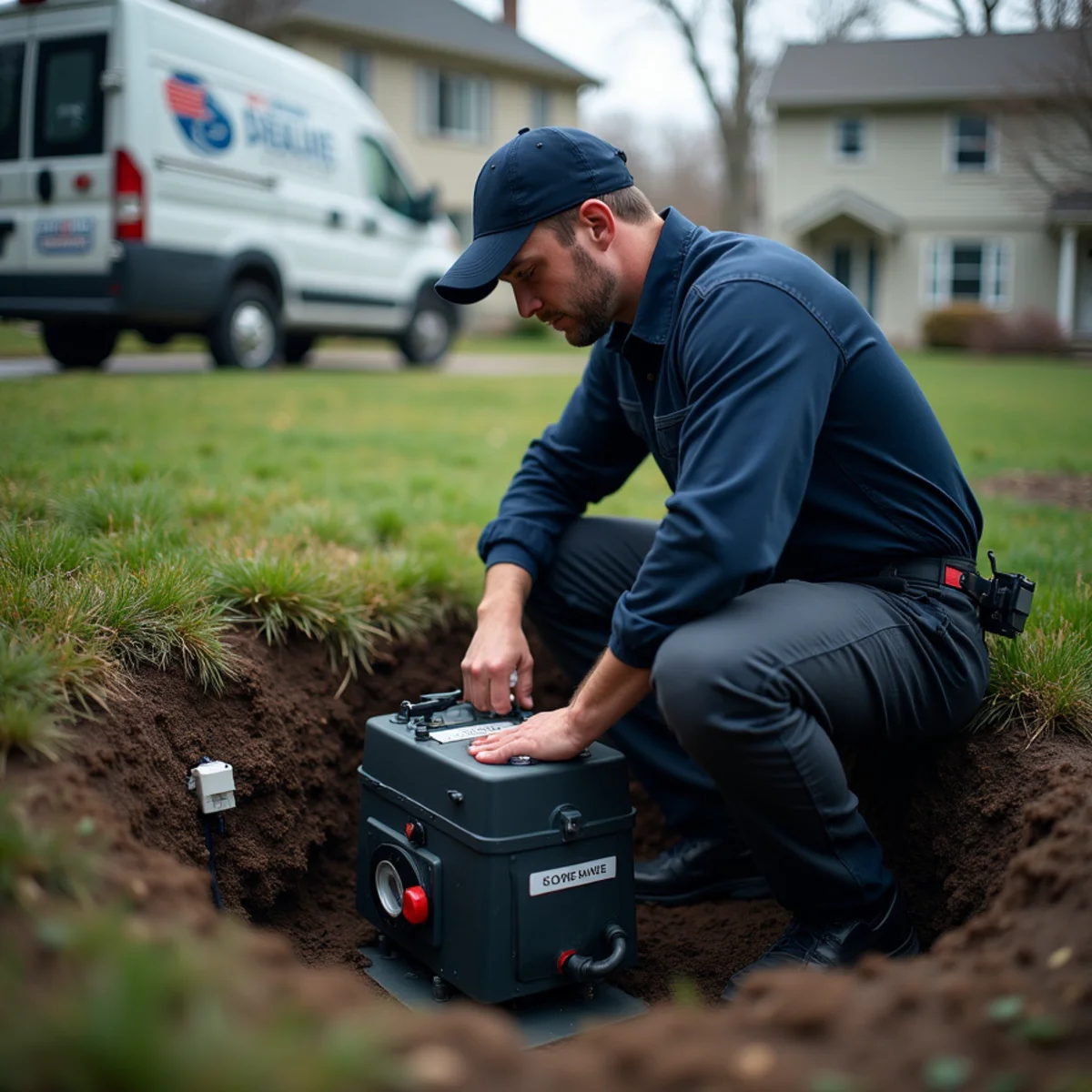
A working sump pump is the single most important piece of flood protection a riverside basement can have. It sits in a pit at the low point of your basement, collects the groundwater that a perimeter drain channels toward it, and pumps it out and away from the foundation before it can rise above the floor. When it works, you never think about it. When it fails during a storm, you find out immediately.
- Capacity matters: a pump too small for the volume simply cannot keep up during a real storm. We size the pump to the risk.
- Age matters: most sump pumps last around a decade, and many fail right when they are finally needed most.
- Power matters: storms cause outages, and a pump on grid power alone is useless the moment the lights go out.
Our sump pump services cover installation, replacement, and testing, and we strongly recommend a battery backup for any home in a flood-prone area. When the power goes out mid-storm, which is exactly when the river is highest, a battery backup keeps pumping while your neighbors are bailing by hand. A primary pump plus a backup is not overkill near the Schuylkill; it is the baseline.
Test your sump pump before every storm season, not after the forecast turns bad. Pour a bucket of water into the pit and confirm the float switch trips and the pump ejects the water. A thirty-second test now prevents a flooded basement later.
Layered Protection Beyond the Pump
- 1Backwater valve on the sewer line to stop the municipal sewer from surcharging back into your basement during a flood, a common secondary source of contamination.
- 2Sealed foundation cracks and cove joints to reduce the seepage paths for hydrostatic groundwater.
- 3Proper grading and downspout extensions so roof and surface water drains away from the foundation instead of pooling against it.
- 4Elevated utilities where possible, keeping the water heater, electrical panel, and HVAC off the floor and out of the first few inches of any flood.
When the Water Gets In Anyway
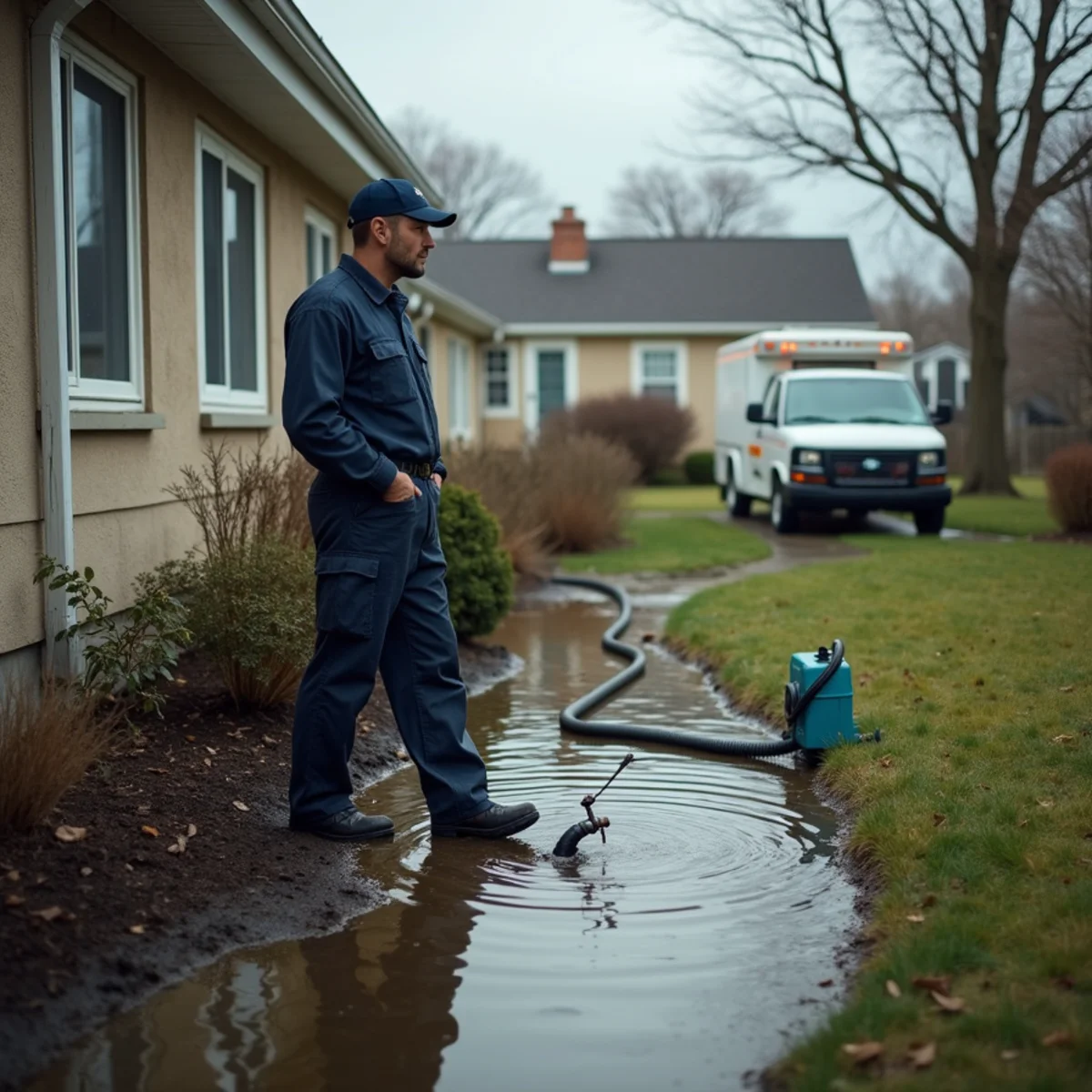
Sometimes the river wins, and the priority shifts from prevention to fast, thorough recovery. Standing water and saturated materials are a mold problem waiting to happen, and the EPA points to a 24 to 48 hour window to dry things out before mold takes hold. Move quickly. Our basement flood cleanup crews extract standing water, run commercial drying and dehumidification, and disinfect the space so you are not trading a water problem for an air-quality one weeks later.
The difference between a basement that dries out cleanly and one that grows mold usually comes down to how fast the water was removed and how completely the space was dried. That is not a job for a shop vac and a box fan when several inches of river water are involved.
Local Reality in Bridgeport and Norristown
The riverside streets of Bridgeport sit low and close to the water, and older homes there often have original foundations that seep long before the river ever crests. Across the river, parts of Norristown face the same rising water table during major storms, with dense older housing stock where basements were never built to stay dry under this kind of pressure. In both, the homes that fare best are the ones with a properly sized pump, a battery backup, and a recovery plan already in place.
From the Field: Sizing a Pump for a River Basement, Not a Catalog
The mistake we correct most on riverside homes is a pump chosen by the horsepower on the box rather than by the water the pit actually takes on. What matters is gallons per hour against your real inflow and the vertical lift needed to get water up and out past the foundation, plus the friction of the discharge run. A tall lift and a long horizontal run rob a pump of capacity fast, so a pump that looks big on paper can still lose the race during a Schuylkill crest.
We also check the discharge point, because pumping water out only to have it drain straight back toward the foundation is a loop we see constantly. The line should carry water well away and downhill, with a check valve to stop backflow when the pump cycles off. For homes that flood repeatedly, we recommend a dedicated discharge and a tested sump pump and battery backup system rather than a single grid-powered pump gambling against the next outage.
You cannot control the Schuylkill, but you can control whether your basement is ready for it. If you live near the river and have not had your sump system checked, or you are still cleaning up from the last storm, call King of Prussia Plumbing Pros at (831) 290-4327. We will assess your risk, get your pump and backup in shape, and be ready to help fast when the water rises.
Frequently Asked Questions
Very likely, yes. Most basement flooding near the Schuylkill comes from a rising water table pressing groundwater through your foundation, not from the river physically reaching your street. When the ground saturates during a storm, seepage can flood a basement even in homes that have never seen the river overtop its banks.
Because storms cause power outages at the worst possible moment. The river is highest and groundwater is peaking exactly when the grid is most likely to fail, and a pump on grid power alone stops the instant the lights go out. A battery backup keeps pumping through the outage, which is when you need it most.
Fast. The EPA points to a 24 to 48 hour window to dry a flooded space before mold begins to grow. Removing standing water and running professional drying equipment within that window is the difference between a clean recovery and a lingering mold and air-quality problem. Call as soon as the water is in.
Insurance pays after the damage; waterproofing prevents it. A policy will not spare your furnace, water heater, or finished space from a foot of river water, and many basement-seepage losses are not even covered by standard flood policies. A sized pump, a battery backup, and a sealed foundation stop most events before they start, so you save insurance for the rare catastrophe instead of the annual storm.