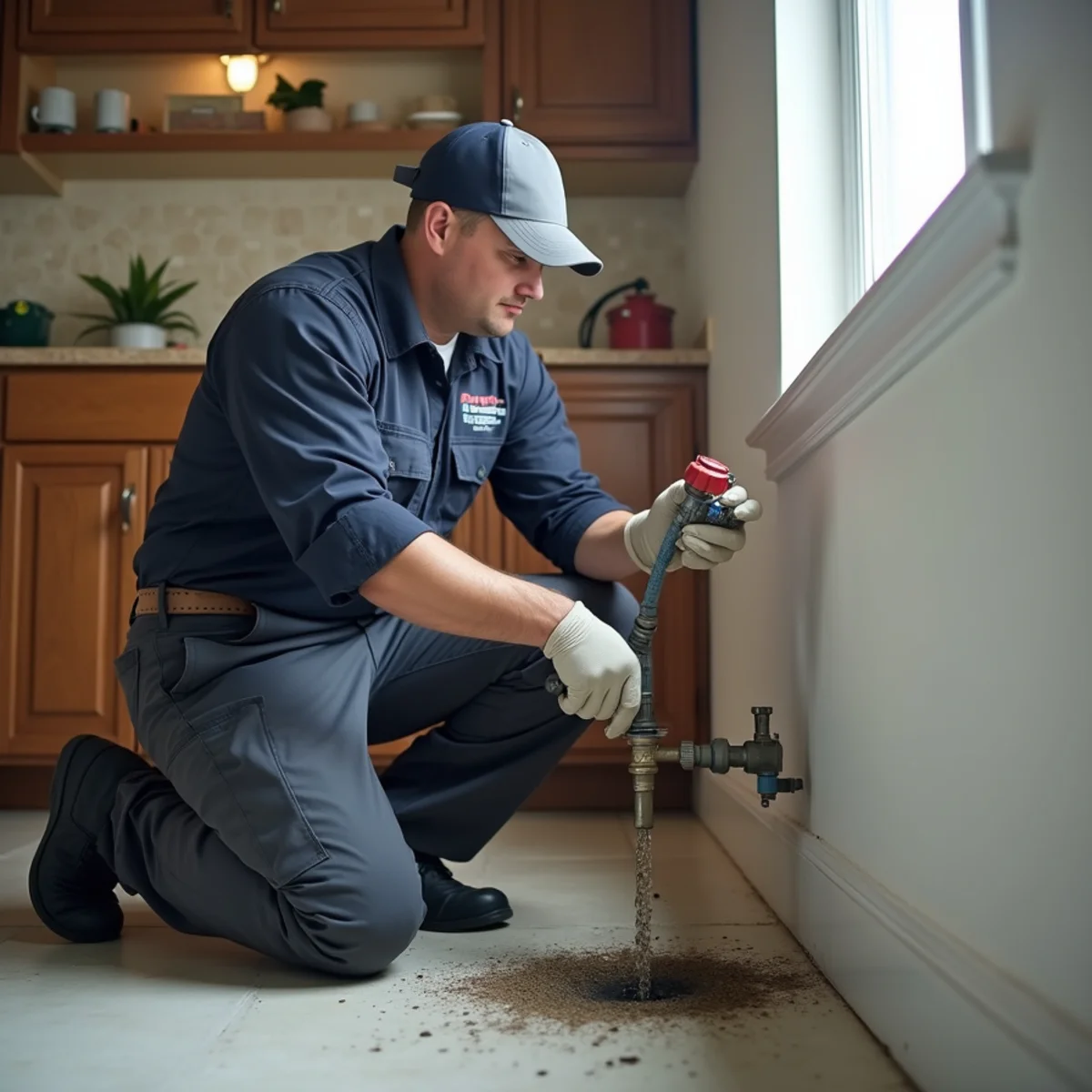
Polybutylene & Galvanized Pipes: Time Bombs in 1950s–70s PA Homes
Polybutylene and galvanized pipes hide in thousands of older Pennsylvania homes and fail without warning. Here is how to know what you have and what to do.
By King of Prussia Plumbing Pros · Published May 19, 2025 · Updated September 1, 2025
If your home was built or plumbed between the 1950s and the 1990s, there is a real chance the pipes inside your walls are living on borrowed time. Two materials in particular haunt older Pennsylvania housing stock: galvanized steel, common through the mid-century, and polybutylene, which showed up in construction from the late 1970s into the mid-1990s. Both were considered good choices when they went in. Both have earned a reputation for failing suddenly and expensively.
At King of Prussia Plumbing Pros, we open a lot of walls in this region, and these two materials come up constantly in homes across the older suburbs. Here is what makes them dangerous, how to tell what you have, and why waiting is the costliest option.
Galvanized Steel: Rusting From the Inside Out
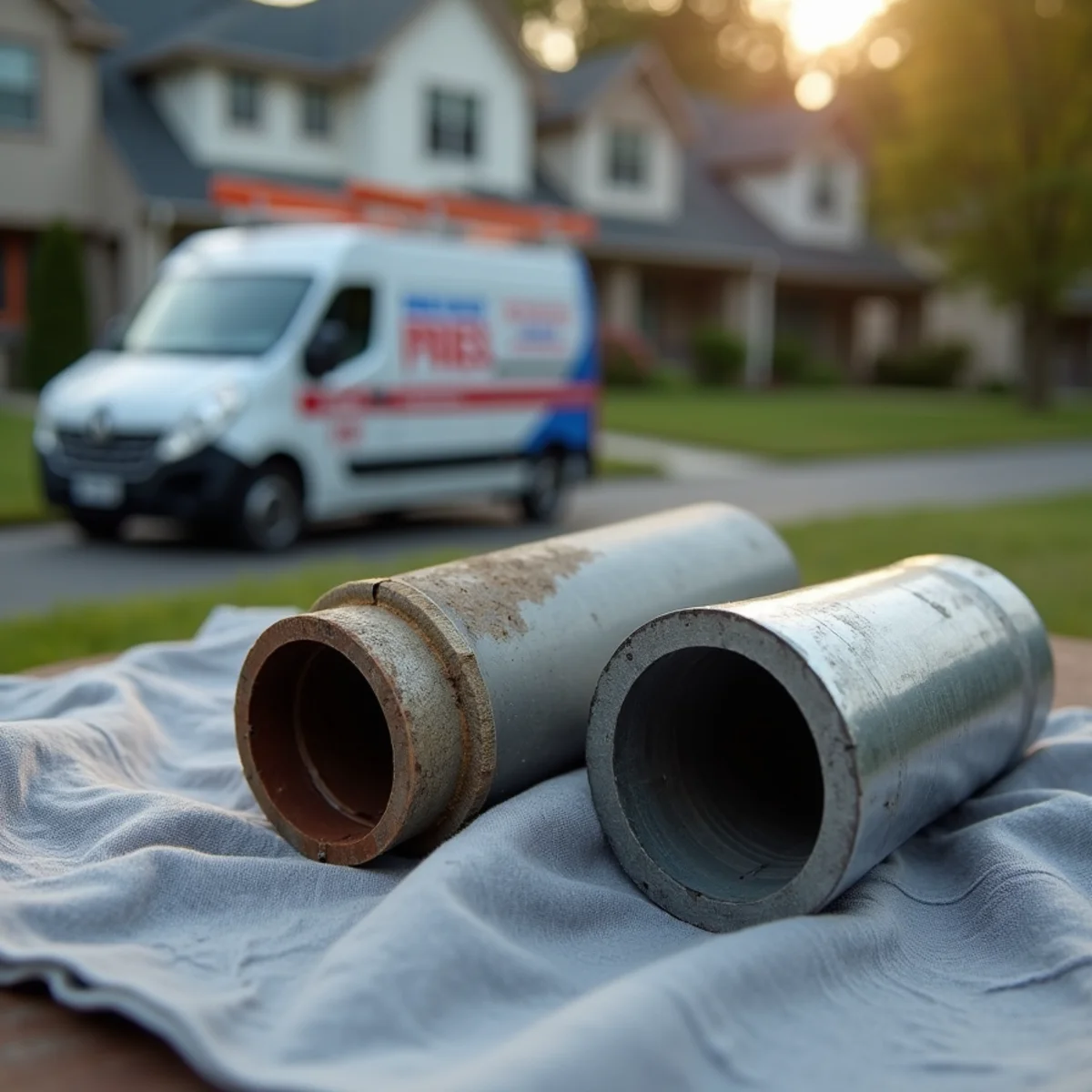
Galvanized pipe is steel coated with a layer of zinc to resist corrosion. It worked for decades, but the zinc eventually wears away and the steel underneath begins to rust. The trouble is that it rusts from the inside, where you cannot see it. Rust and mineral scale, accelerated by our hard local water, build up inside the pipe and choke off the flow.
- Water pressure that has slowly dropped over the years, especially at upper-floor fixtures.
- Discolored or rusty water, particularly first thing in the morning after water has sat in the pipes overnight.
- Visible rust, flaking, or bulging at threaded joints where corrosion concentrates.
- Pinhole leaks that appear without warning once the pipe wall finally gives out.
The scary part is that a galvanized system can look fine right up until a joint lets go behind a finished wall. By then you are dealing with water damage on top of the pipe repair. If your home still has original galvanized supply lines, they are well past their intended service life.
Polybutylene: The Pipe That Was Recalled
Polybutylene is a gray (sometimes blue or black) flexible plastic pipe used widely from roughly 1978 to 1995 because it was cheap and easy to install. It became the subject of one of the largest plumbing class-action settlements in history after it developed a pattern of failing without warning. The leading theory is that chlorine and other oxidants in municipal water react with the plastic and its fittings, making the material brittle and causing it to flake and crack from the inside.
The most dangerous thing about polybutylene is that it gives almost no warning. A line can look perfectly intact and then split, often at a fitting, releasing water at full pressure while you are at work or asleep. If you have gray plastic supply lines, treat replacement as a when, not an if.
You can often spot polybutylene where pipes enter the water heater, at the main shutoff, or where they come through the basement wall. It is gray, dull, and flexible, usually about a half-inch to one inch across, joined with plastic or copper crimp fittings. If you are not sure what you are looking at, we can identify it in a few minutes during a visit.
Why Leak Detection Comes First
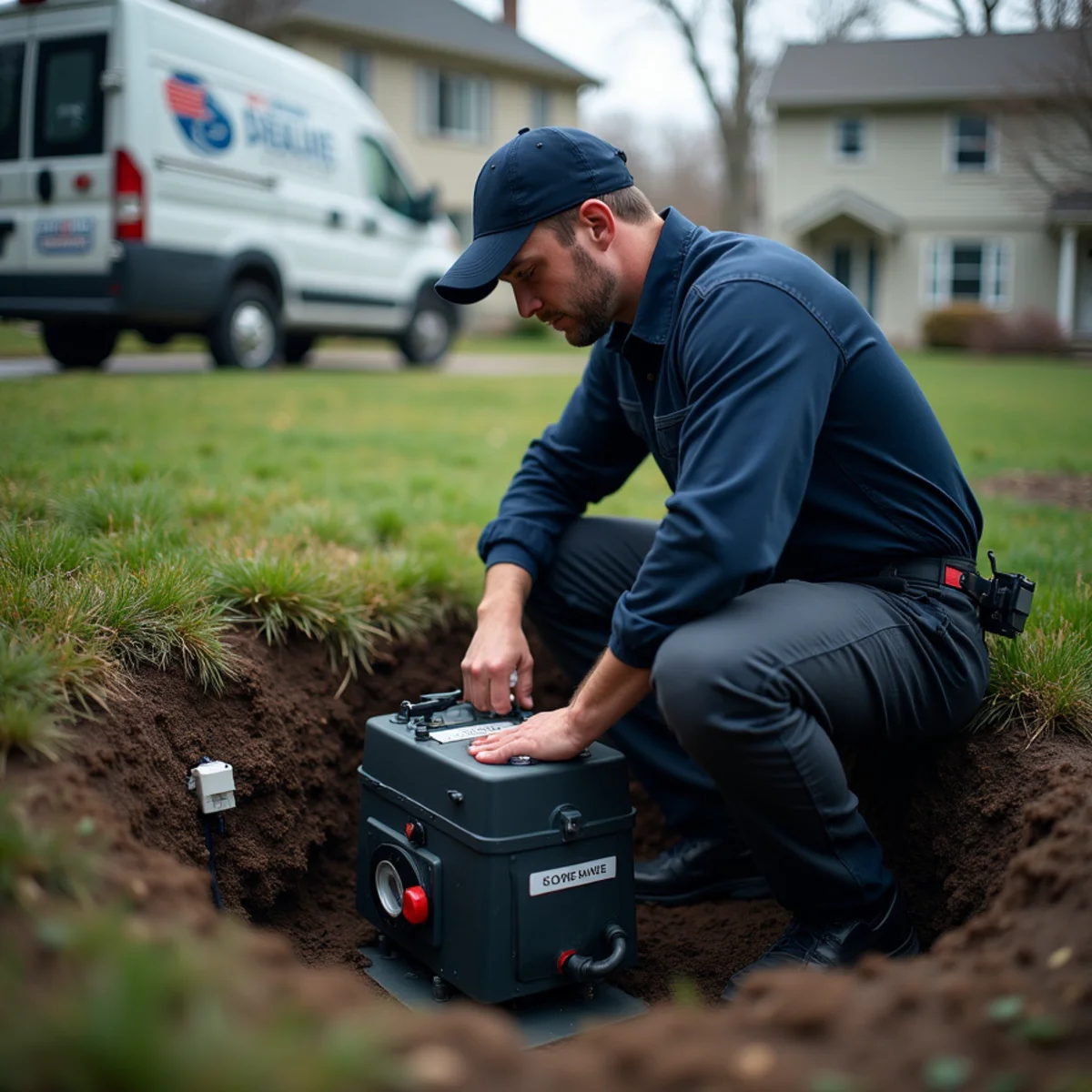
Not every older home needs every pipe replaced tomorrow, and we do not believe in scaring people into work they do not need. The right first step is often a professional assessment. Our leak detection team uses acoustic and moisture-sensing equipment to find weeping joints and hidden failures before they become floods, and to map out the true condition of your system. That turns a vague worry into a clear, prioritized picture of what is at risk.
When the findings point to system-wide failure, whether it is corroded galvanized steel or brittle polybutylene, the durable answer is a full repiping service. We replace the failing lines with modern PEX or copper, materials with long, proven track records. Done properly, a repipe is a one-time project that removes the ticking clock entirely, rather than a series of emergency patches that never quite catch up to the next leak.
Where We See This Most
Post-war planned communities are the classic setting. In Levittown, where thousands of homes went up in the early 1950s on concrete slabs, original galvanized lines are extremely common and often original to the house. In the growth corridors around Feasterville, we find a mix, with galvanized in the older stock and polybutylene in homes plumbed during the 1980s building boom. Both areas share the same underlying reality: aging pipe on borrowed time.
Don't Wait for the Flood
The cost of proactively repiping a home is real, but it is predictable and scheduled on your terms. The cost of a surprise failure is a flooded floor, damaged belongings, emergency labor rates, and the drywall and flooring repairs that follow, all on the pipe's schedule instead of yours. Given a choice, planned always beats panicked.
From the Field: What a Repipe Actually Involves
Homeowners picture a repipe as tearing the house apart, but a planned repipe is far less invasive than the emergency it prevents. We map the existing runs, then open small, strategic access points in drywall rather than gutting walls, routing new PEX through the same chases where possible. Most homes stay livable throughout, with water off only during short, scheduled windows. In Pennsylvania this work falls under the PA UCC, so a permit and inspection through your municipality is part of doing it right, and that paperwork protects you at resale.
The detail that trips up DIYers and cut-rate crews is transition fittings. Where new PEX meets an old copper or galvanized stub, the wrong dissimilar-metal connection corrodes and leaks within a few years, quietly recreating the problem you paid to solve. We use proper dielectric unions and code-approved fittings, then pressure-test the whole system before closing anything up. If you want the failing lines mapped before committing to scope, our hidden leak detection team documents the condition of what is behind the walls first.
If your home dates to the mid-century through the 1990s and you have never had the plumbing evaluated, that is the smart place to start. Call King of Prussia Plumbing Pros at (831) 290-4327. We will identify exactly what is behind your walls, tell you honestly how urgent it is, and give you a clear plan instead of a scare.
Frequently Asked Questions
Look where pipes enter the water heater, at the main shutoff, and where they come through the basement wall. Polybutylene is a dull gray (sometimes blue or black) flexible plastic, usually half-inch to one-inch, joined with plastic or copper crimp fittings. If you are unsure, we can positively identify it during a short visit.
It does not always have to happen tomorrow, but it should be treated as a matter of when, not if, because the material fails without warning. We recommend a professional assessment to gauge its condition and prioritize the work, and many insurers now limit or decline coverage on homes that still have polybutylene supply lines.
Both are excellent and far outlast galvanized or polybutylene. PEX is flexible, resists scale, tolerates freezing better, and is often more cost-effective to install, while copper is rigid, extremely durable, and preferred by some homeowners for exposed runs. We recommend the right material for your layout, water, and budget rather than defaulting to one.
Some carriers now decline new policies or exclude water-damage claims on homes with polybutylene supply lines, and a few require replacement as a condition of coverage. Even where you keep coverage, a poly failure claim can raise your premium or complicate a future sale. Replacing the lines removes both the physical risk and the insurance headache, which is why many owners repipe proactively.