Hard Water in Montgomery County: What It Does to Your Plumbing
Montgomery County water runs hard, and the mineral scale it leaves behind quietly wrecks water heaters, fixtures, and pipes. Here is what to watch for.
By King of Prussia Plumbing Pros · Published May 5, 2025 · Updated September 1, 2025
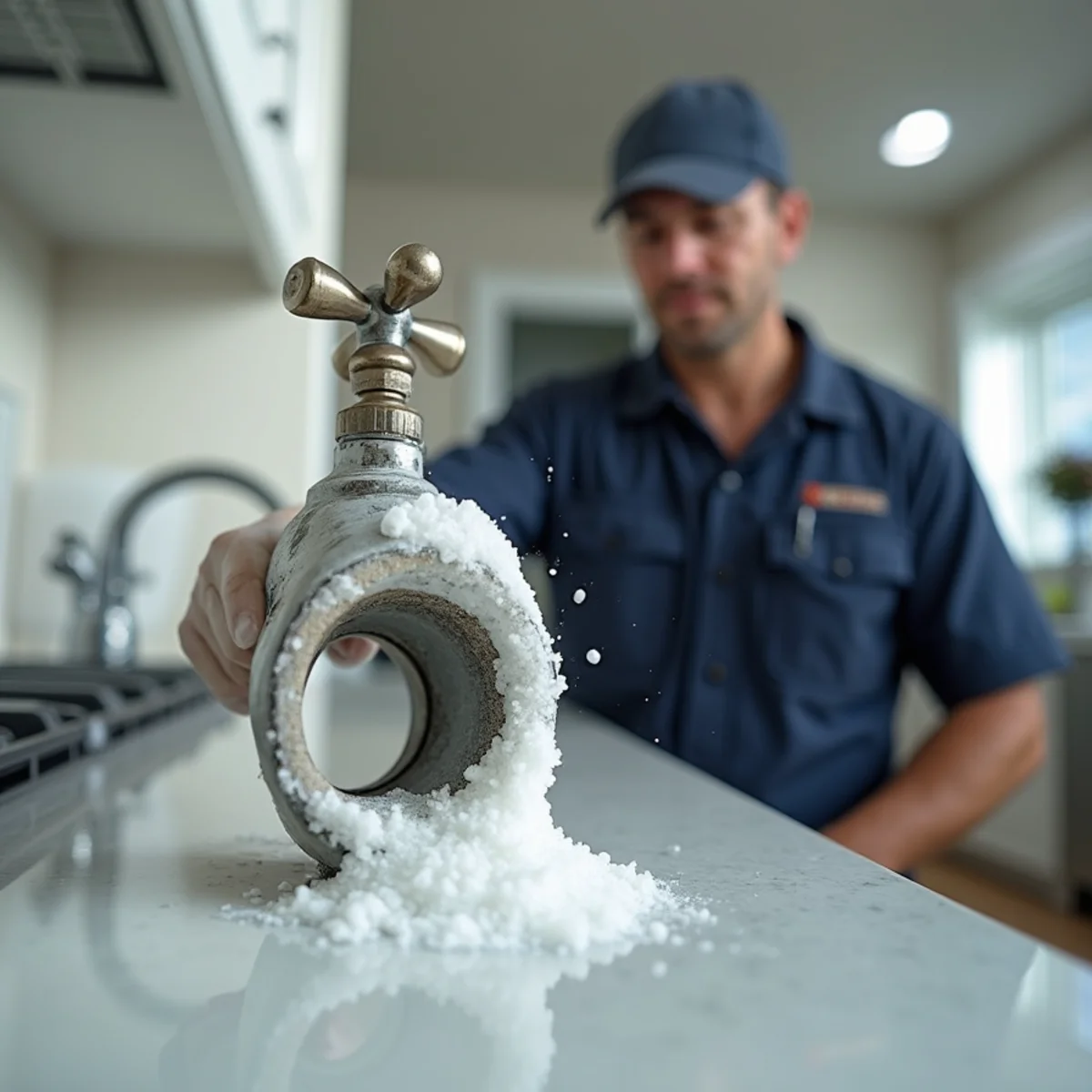
If you live in Montgomery County, you have probably noticed the chalky white crust on your showerhead, the spots on your glasses, and the way soap never quite rinses off. That is hard water, and around here it is a fact of life. Local supplies commonly run near seven grains per gallon, roughly 120 parts per million, which puts us solidly in moderately hard territory. It is not dangerous to drink, but it is quietly expensive for your plumbing.
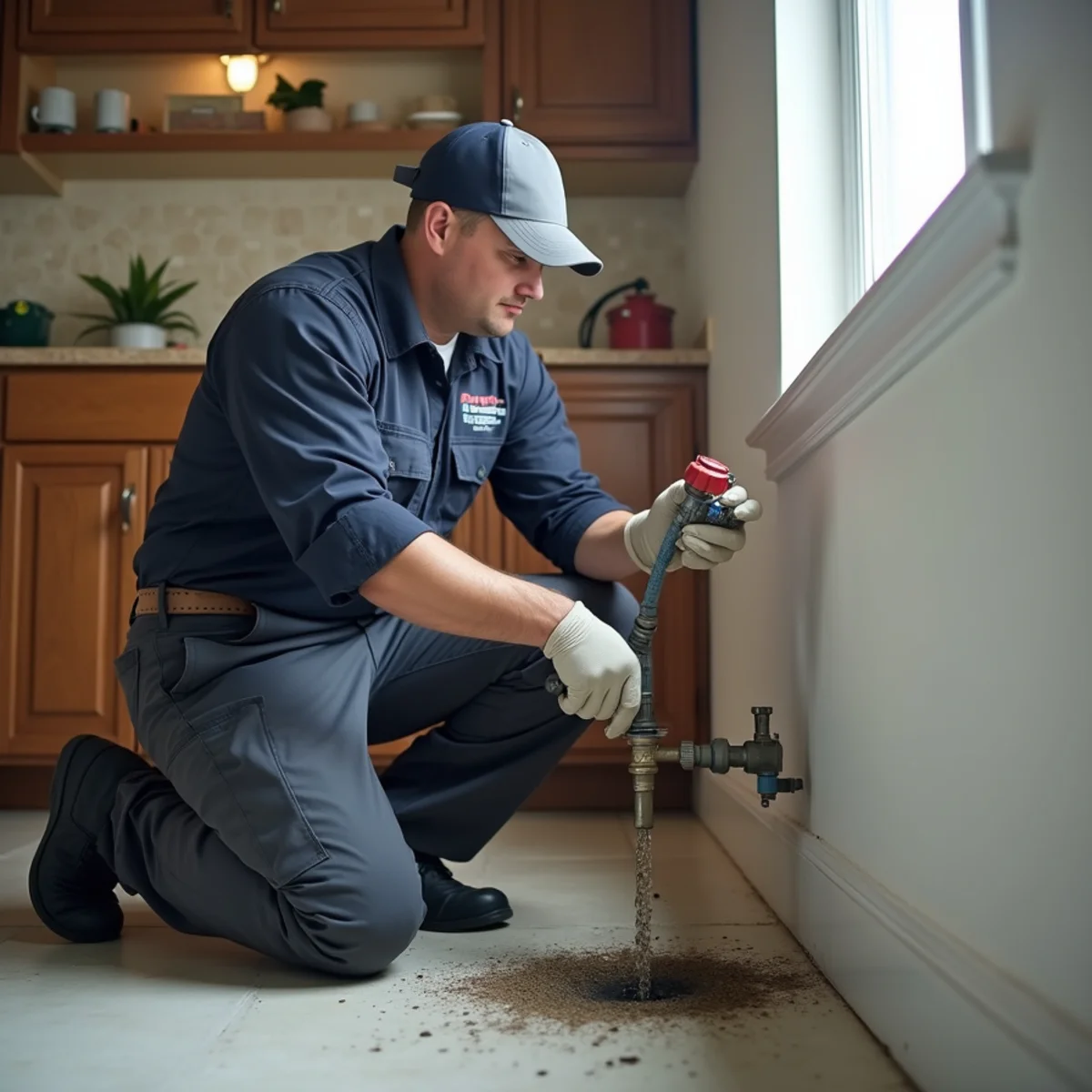
At King of Prussia Plumbing Pros, a large share of the water heater failures and fixture replacements we handle trace straight back to mineral scale. Homeowners often blame bad luck or a cheap part. More often, the real cause has been building up invisibly inside the pipes for years.
What Hard Water Actually Is
Hardness comes from dissolved calcium and magnesium that the water picks up as it moves through the ground. When that water is heated or left to evaporate, the minerals drop out of solution and cling to whatever surface they touch. That is the scale on your faucet. Now picture the same process happening on the inside of your water heater tank, your pipe walls, and the tiny passages inside your fixtures, valves, and appliances.
The Water Heater Takes the Worst of It
Your water heater is ground zero because it does exactly what makes minerals precipitate: it heats water all day. Scale settles to the bottom of the tank and bakes into a hard crust over the burner or heating element. That crust insulates the water from the heat source, so the unit runs longer and burns more energy to do the same job. You feel it as higher bills, then as popping and rumbling sounds, then eventually as a unit that fails years before it should.
A tank rated for ten to twelve years can give out in six or seven when it is fighting hard water without help. Regular flushing slows the damage, and our water heater repair and maintenance team can drain the sediment and check the sacrificial anode rod that protects the tank from corrosion. But flushing manages the symptom. It does not change the water coming in.
If your hot water has grown weaker or your heater has started making popping or crackling noises, that is sediment boiling under a layer of scale. Do not wait for a cold-shower failure; have it flushed and inspected before winter demand hits.
The Slow Damage You Do Not See
- Narrowing pipes: scale builds on interior pipe walls, shrinking the diameter and dropping your water pressure over the years, especially in older galvanized lines.
- Failing fixtures: faucet aerators clog, cartridges seize, and toilet fill valves stick because grit and scale jam their moving parts.
- Struggling appliances: dishwashers and washing machines wear out faster as scale coats their heating elements and valves.
- Higher soap and detergent use: hard water fights lather, so you use more of everything and still see film and residue.
None of this is dramatic on any given day, which is exactly why it goes unaddressed. The cost shows up as a string of separate repairs and replacements that never seem connected, until you realize the common thread is the water itself.
The Fix: Treating the Water, Not Just the Symptoms
The permanent answer is a whole-house water softener. A softener uses ion exchange to swap the calcium and magnesium for sodium (or potassium, if you prefer), so the water reaching your heater, pipes, and fixtures no longer deposits scale. Our water softener installation service sizes the system to your household's water use and hardness level so it regenerates efficiently rather than wasting salt and water.
Homeowners are often surprised by how quickly they feel the difference: soap lathers, glasses come out clear, skin feels less dry, and the white crust stops reappearing on fixtures. The bigger payoff is invisible. Every appliance and pipe downstream of the softener stops accumulating scale, which extends the life of the most expensive equipment in your home.
We install and service softeners throughout the county, from the busy neighborhoods of Lansdale to the newer developments around Horsham, where residents deal with the same mineral load. Both areas share the regional geology that makes our water consistently hard, and both see the same water heater and fixture wear as a result.
Is a Softener Worth It?
For most Montgomery County households, the math works out over time. A quality softener installation is a meaningful upfront investment, but weighed against a water heater that dies years early, a run of fixture and cartridge replacements, higher energy bills from scaled equipment, and constant spending on detergent and cleaning products, it often pays for itself. We give you honest numbers for your specific situation rather than a one-size-fits-all pitch.
From the Field: Sizing a Softener Is Not About Tank Size
When we size a softener we do not guess from the county average; we test your specific tap, because a private well or a blended supply can run harder than the roughly seven grains typical of municipal water here. The number that actually matters is grains per gallon multiplied by the people in the house and their daily water use, which sets the grain capacity and how often the unit regenerates. Oversize it and it wastes salt sitting idle; undersize it and it regenerates constantly and still lets hard water slip through during heavy demand.
The setting DIY installs get wrong most often is regeneration timing and salt dose. A demand-initiated softener that meters real water use beats a simple timer, especially for households whose usage swings on weekends. We also set a bypass so outdoor spigots and irrigation are not softened, which saves salt and keeps sodium off your lawn. If you are comparing equipment, our whole-house water softener installers walk through capacity, salt efficiency, and grain rating rather than selling by the size of the tank.
Hard water is not going away, but the damage it does is preventable. If your fixtures are crusting over, your heater is aging fast, or you are simply tired of spotty dishes, call King of Prussia Plumbing Pros at (831) 290-4327. We will test your water, explain your real options, and help you stop paying the hard-water tax on your plumbing.
Frequently Asked Questions
Local supplies commonly test around seven grains per gallon, or roughly 120 parts per million, which is considered moderately hard. That is enough to leave visible scale on fixtures and to build damaging deposits inside water heaters and pipes over time, even though it is perfectly safe to drink.
Yes. Mineral scale settles at the bottom of the tank and bakes into an insulating crust over the burner or element, forcing the unit to run longer and hotter. That extra strain can knock years off a heater's expected lifespan. Regular flushing helps, but softening the water is what actually stops the buildup.
No. Ion exchange adds a very small amount of sodium relative to the hardness it removes, far too little to taste in most cases. If you are watching sodium closely, we can set up a potassium-chloride system or add a drinking-water bypass so your kitchen tap stays untouched.
No, and it should not be. Softened water adds sodium that plants do not need and wastes salt on water that never touches your fixtures or heater. We plumb a bypass so outdoor spigots and irrigation lines draw untreated water while everything indoors runs soft. It lowers your salt use and keeps the softened water where it actually protects your equipment.