Why Your Drain Backs Up Every Time It Rains
If your floor drains or toilets gurgle only during a storm, the problem is almost always outside your house. Here is what rain-triggered backups mean.
By King of Prussia Plumbing Pros · Published April 21, 2025 · Updated September 1, 2025
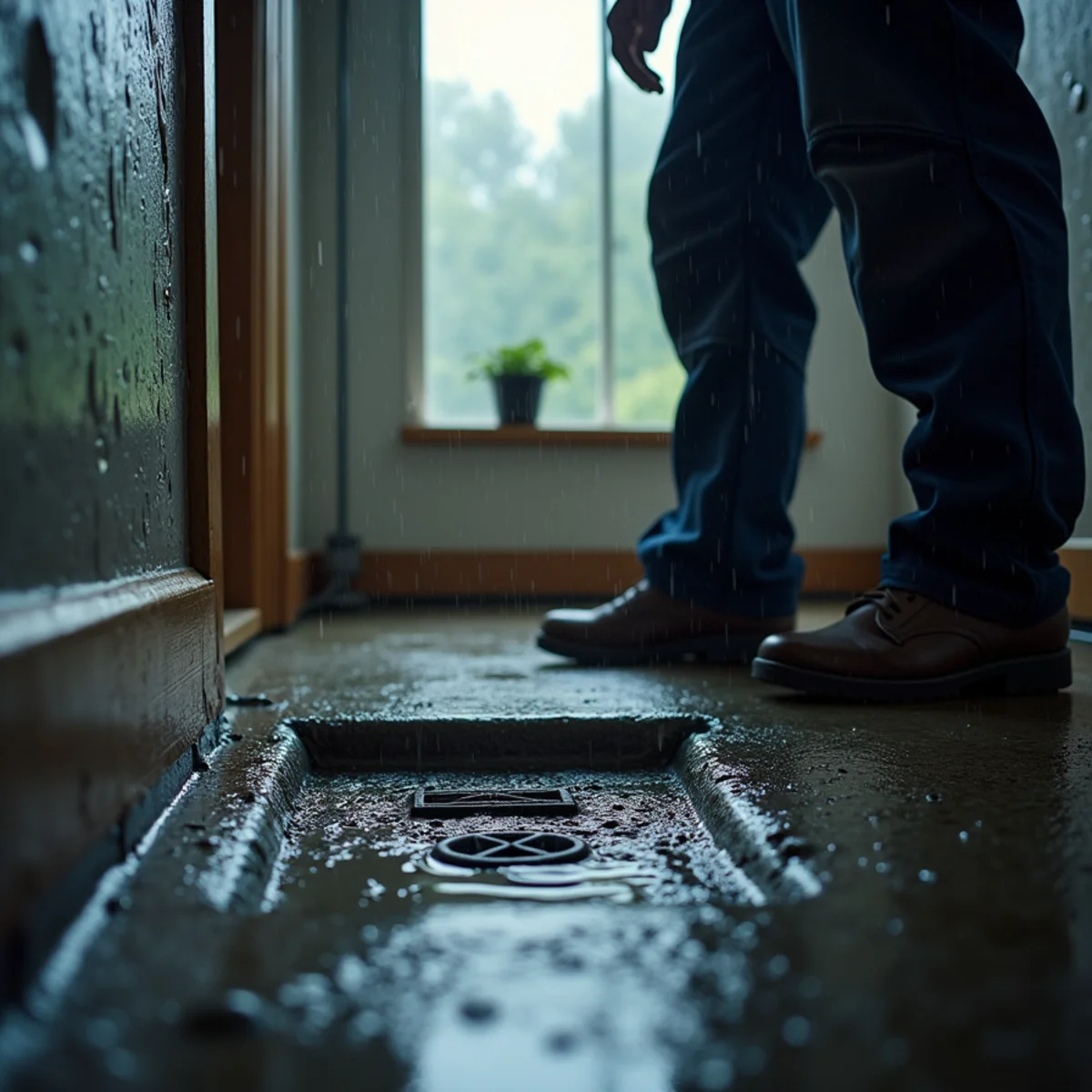
There is a specific kind of dread that comes with watching the sky open up over Montgomery County and knowing your basement floor drain is about to burp up dirty water. If your drains only misbehave when it rains, that timing is a clue, not a coincidence. A drain that clogs from cooking grease acts up whenever you cook. A drain that backs up with the weather is telling you that stormwater or groundwater is finding its way into a pipe that cannot handle the extra volume.
At King of Prussia Plumbing Pros, we chase down these rain-only backups across the region every spring. The good news is that the symptom narrows the list of causes considerably. The bad news is that most of the real culprits live underground, where a plunger will never reach them.
Why Rain Changes Everything
Your home's drain system is sized for the water you send down it: sinks, showers, toilets, laundry. It is not designed to also absorb the runoff from a heavy storm. When rain overwhelms the system, it is usually because groundwater or surface water has broken into a pipe it should never touch. Around here, our clay-shale soil holds water like a sponge and drains slowly, so after a soaking rain the ground stays saturated for days and the pressure on buried pipes stays high.
- Cracked or offset sewer laterals let saturated soil push groundwater straight into the pipe, filling it faster than it can drain.
- Tree root intrusion creates a net inside the line that catches debris; a dry line limps along, but add stormwater and it backs up.
- Downspouts or sump lines illegally tied into the sanitary sewer dump roof and foundation water into a pipe meant only for waste.
- Municipal sewer surcharge happens when the public main fills during a storm and pushes back toward the lowest opening in your house, usually a basement drain.
Inside the House vs. Under the Yard
The first thing we determine is whether the problem is a routine clog that rain simply exposed, or a structural failure in the buried line. A one-time backup after a record storm can be a warning; a backup during every moderate rain is a pattern that will only get worse. If several fixtures gurgle at once, or the lowest drain in the house floods while upper fixtures still work, the blockage is almost certainly in the main line or the lateral running to the street.
This is where a camera inspection earns its keep. We feed a waterproof camera down the line and watch, in real time, for cracks, root balls, bellies where the pipe has sagged, and joints that have separated. That single look tells us whether you need a straightforward professional drain cleaning to clear roots and buildup, or a more involved repair to the pipe itself. Guessing wastes money; seeing the line does not.
If sewage is already coming up through a drain, stop running water in the house and keep everyone away from the contaminated area. Our sewer backup cleanup crews handle the sanitation and disinfection the EPA recommends within the 24 to 48 hour window before mold takes hold.
What We Do About It
For roots and grease that rain has finally pushed past the tipping point, mechanical cutting or hydro-jetting clears the line back to full diameter. Jetting is especially effective in older laterals because it scours the pipe wall instead of just poking a hole through the blockage. When the camera shows a cracked or collapsed section, we discuss spot repairs or a longer replacement, and we always explain why the line failed so you are not paying to fix the same 40 feet of pipe twice.
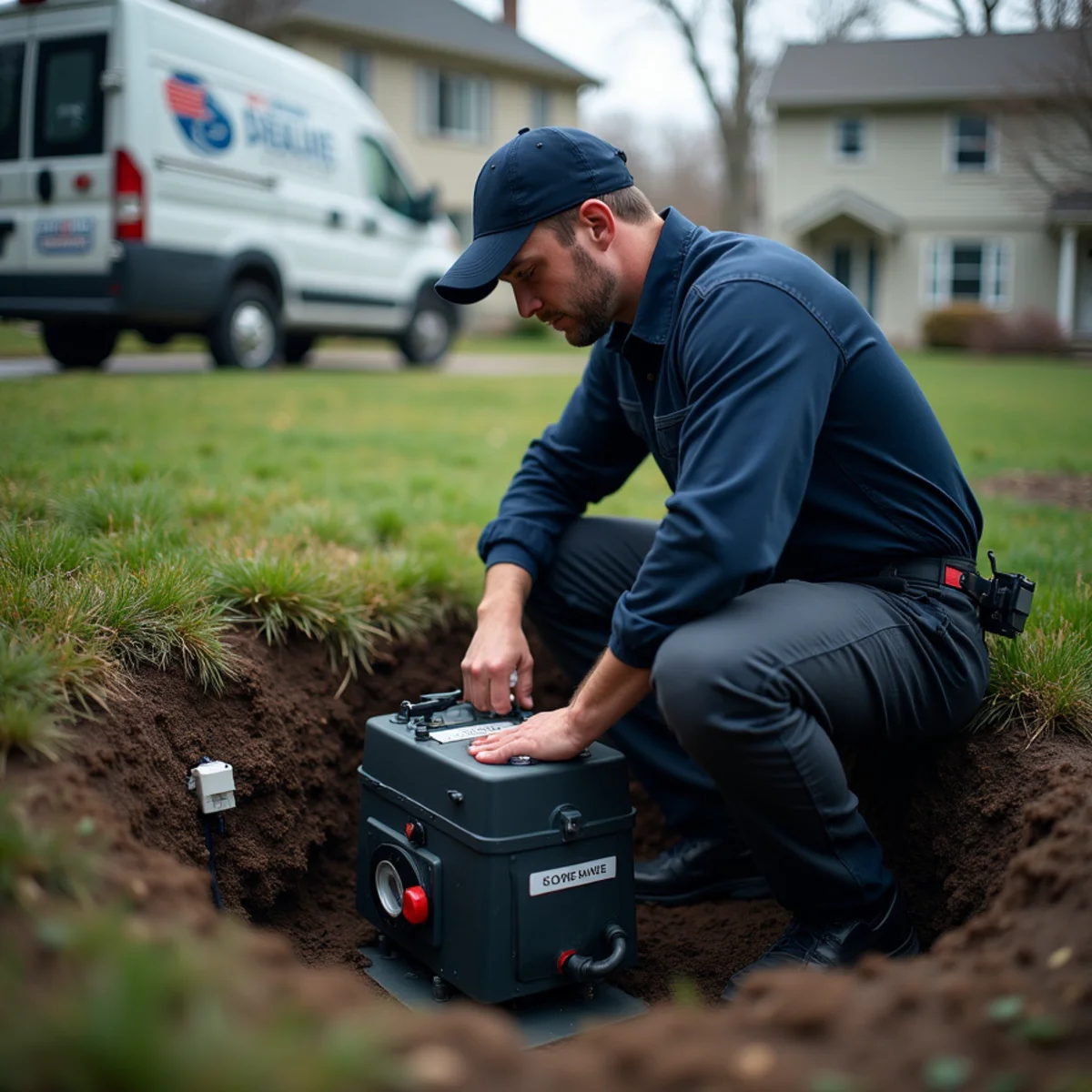
If the water is entering through improperly connected downspouts or a sump discharge, the fix is redirecting that water away from the sanitary system entirely. And when the culprit is municipal surcharge, a backwater valve installed on your main line acts as a one-way gate, letting your waste out while blocking the public sewer from pushing back in during a storm.
We see the same story play out from the older streets of Bridgeport, where sewer laterals have been in the ground for generations, to the newer subdivisions around Downingtown, where clay-heavy fill and mature landscaping combine to stress buried lines. The neighborhoods differ, but the physics of a saturated hillside pushing water into a compromised pipe do not.
How to Protect Yourself Before the Next Storm
- 1Note the exact conditions when backups happen: light rain, heavy rain, or only after days of wet weather. That timeline helps us diagnose faster.
- 2Keep downspouts and grading directing water away from the foundation, not toward it.
- 3Ask for a camera inspection after your first rain-triggered backup instead of waiting for the third.
- 4Consider a backwater valve if you live at a low point in the neighborhood or near a main that is known to surcharge.
From the Field: How We Prove Where the Water Gets In
Before we quote any repair, we prove the entry point instead of assuming it. On a dry day we run a garden hose into each downspout and roof leader one at a time while a camera sits in the main, watching for the moment clean water suddenly pours into a pipe that should only carry waste. That single test separates an illegal storm connection from groundwater infiltration seeping through cracked joints, and the two problems have completely different fixes. We also pull the cleanout cap after a storm and look for a standing waterline inside the pipe, which tells us the municipal main is surcharging rather than your lateral simply failing.
The detail most DIYers miss is grade and depth. A lateral that runs shallow through our clay-shale soil sits right in the zone that saturates first, so a line that tests fine in August can flood every March. If you are unsure whether a backup counts as an emergency, our same-day emergency plumbers can camera the line that day and tell you whether it is safe to keep running water while you decide on repairs.
A drain that backs up when it rains is not something you can plunge away, because the water forcing its way in is coming from outside your home. The sooner you find out where, the cheaper and less disruptive the fix. If storms have your basement on edge, call King of Prussia Plumbing Pros at (831) 290-4327 and we will camera the line, tell you exactly what we see, and lay out honest options before the next front rolls through.
Frequently Asked Questions
That combination almost always means stormwater or groundwater is getting into your main sewer line, usually through a crack, root intrusion, or a downspout tied into the sanitary sewer. The rain adds volume the pipe cannot handle, so water backs up at the lowest opening. A camera inspection pinpoints exactly where it is entering.
It depends where the failure is. The sewer lateral from your house to the connection at the main is typically the homeowner's responsibility, while the public main is the municipality's. If the public sewer is surcharging during storms, a backwater valve on your side protects your home. We can inspect and tell you which side the problem is on.
A backwater valve stops sewage from the public main from pushing back into your home during a surcharge, which solves one common cause. It will not fix a cracked lateral or root intrusion on your own line, so we diagnose the actual source first and recommend the valve only when it is the right tool.
Yes. A line partially blocked by roots or a slight belly can pass your normal household flow all week and still back up the moment a storm adds groundwater or municipal surcharge to the same pipe. The dry-weather performance is misleading, which is why a rain-triggered backup deserves a camera inspection even when everything drains normally between storms.