Plumbing for KOP Corridor Restaurants & Offices: A Manager's Guide
For restaurants and offices along the KOP corridor, plumbing problems mean lost revenue. Here is a manager's guide to staying ahead of them.
By King of Prussia Plumbing Pros · Published August 25, 2025 · Updated September 1, 2025
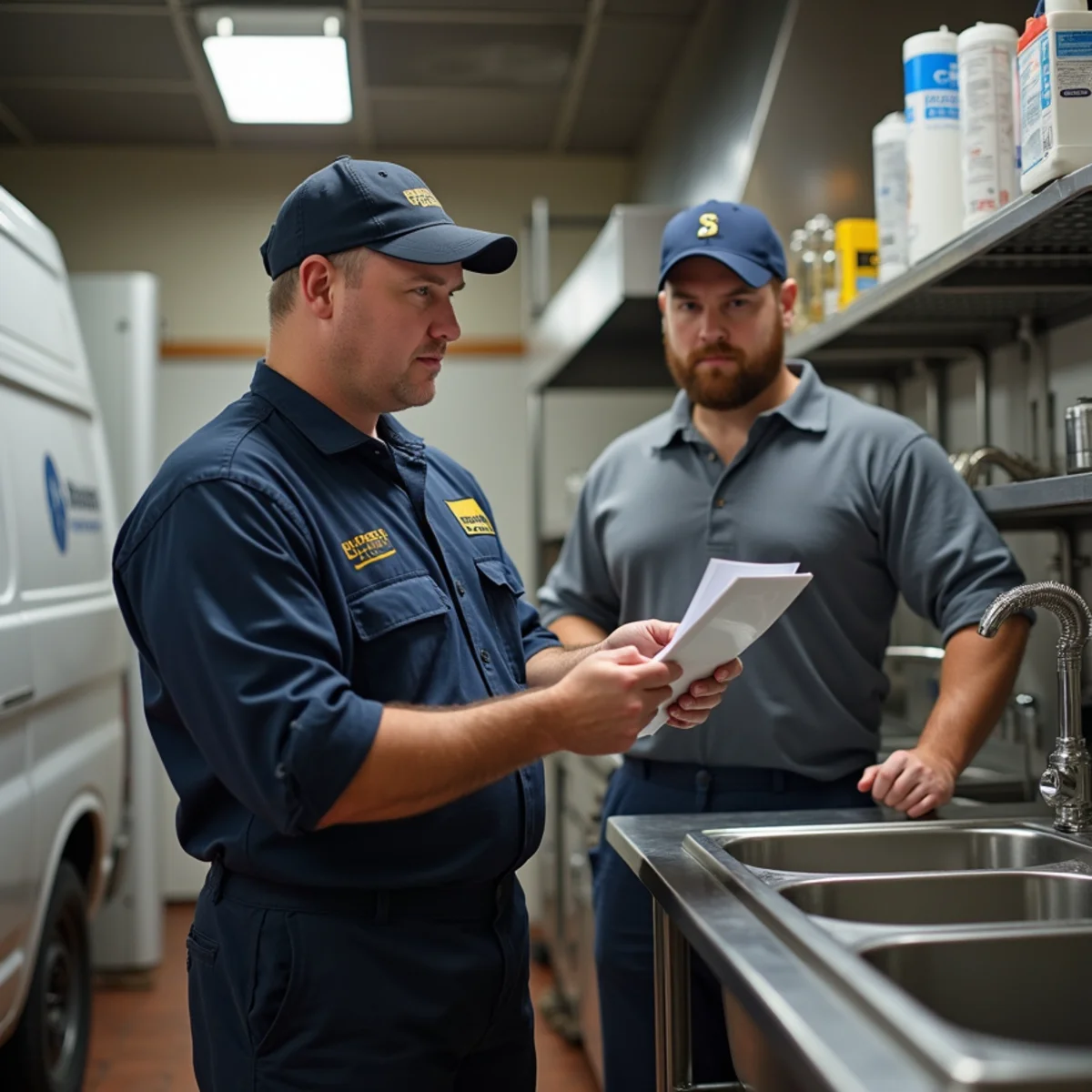
For a homeowner, a plumbing problem is an inconvenience. For a restaurant or office manager along the King of Prussia corridor, it is a business problem with a dollar figure attached. A backed-up kitchen drain can shut down service on a Friday night. A clogged restroom can send customers and employees out the door. In a commercial setting, the cost of a plumbing failure is measured not just in the repair bill but in lost revenue, damaged reputation, and health-code exposure.
At King of Prussia Plumbing Pros, we work with restaurants, offices, and property managers across this busy corridor, and the businesses that avoid disasters all have one thing in common: they treat plumbing as scheduled maintenance, not as an emergency waiting to happen. This guide covers what commercial managers should have on their radar.
Why Commercial Plumbing Is a Different Animal
Commercial systems are not just bigger versions of residential ones. They run at higher volume, serve far more people, and face demands a home never sees. A restaurant kitchen puts grease, food solids, and heavy hot-water use through its lines every single day. An office building cycles hundreds of restroom uses. Codes are stricter, the consequences of failure are steeper, and downtime is measured in lost business by the hour. That is why a dedicated approach to commercial plumbing matters: the stakes and the systems are simply on a different scale.
The Restaurant's Biggest Enemy: Grease
For any food-service operation, fats, oils, and grease, collectively known as FOG, are the number one threat. Grease goes down the drain as a warm liquid and congeals into a solid as it cools inside the pipe, building up until the line chokes off entirely. It is the leading cause of commercial kitchen backups, and it is almost entirely preventable with the right routine.
- Maintain your grease trap on a strict schedule. A neglected trap stops working and sends FOG straight into your lines and the municipal sewer, risking fines.
- Scrape plates and pans before washing, and never pour cooking grease down any drain.
- Schedule preventive drain cleaning so grease is cleared before it becomes a blockage, not after service has stopped.
- Use drain screens to catch food solids that would otherwise combine with grease to form a plug.
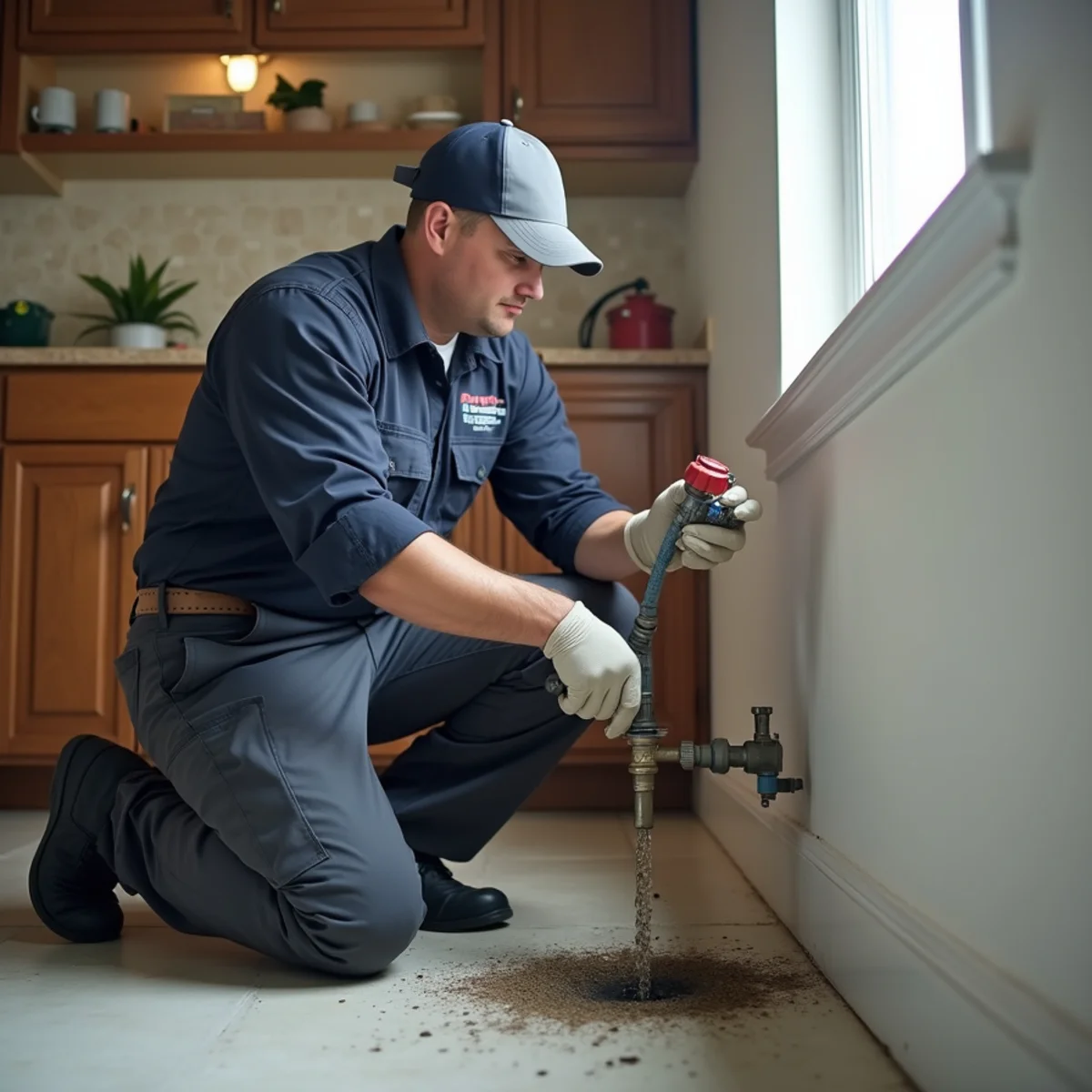
The most effective tool against commercial grease buildup is regular professional drain cleaning, particularly hydro-jetting, which scours the full diameter of the pipe rather than just punching a hole through the blockage. A scheduled jetting program keeps kitchen lines flowing and turns emergency shutdowns into a non-event. It is far cheaper than losing a weekend of service to a backup.
Do not wait for a slow drain to become a stopped one during your dinner rush. In food service, a preventive maintenance schedule is not an expense; it is insurance against the far larger cost of unplanned downtime and a possible health-code violation.
The Office Building's Priorities
Office and retail spaces face a different set of concerns, centered on restrooms, water quality, and quietly running costs.
- 1Restroom reliability: high-traffic fixtures, flush valves, and faucets wear out and need proactive service to avoid out-of-order signs that reflect on your business.
- 2Silent water waste: a running toilet or a dripping faucet across dozens of fixtures adds up to serious money on the water bill over a year.
- 3Water heater capacity: insufficient or failing hot water disrupts restrooms and break rooms, and hard-water sediment shortens equipment life just as it does at home.
- 4Backflow and code compliance: commercial properties often carry testing and compliance obligations that a qualified plumber can keep you ahead of.
Build a Relationship Before the Emergency
The smartest thing a manager can do is establish a relationship with a commercial plumber before a crisis, not during one. A plumber who already knows your building, your grease trap, your fixture inventory, and your peak hours can respond faster and smarter when something does go wrong. Preventive maintenance agreements formalize this: scheduled inspections and cleanings that catch small problems early and keep your systems documented and compliant.
The King of Prussia corridor draws businesses from across the region, and the demands do not stop at the county line. We serve commercial clients from the dense urban operations of Philadelphia, where older infrastructure and high volume test every system, to the growing business parks around Exton, where newer facilities still need disciplined maintenance to stay ahead of grease and wear. Wherever your location, the principle holds: prevention protects your bottom line.
Protect Your Revenue
Every hour your doors are closed for a plumbing emergency is revenue you do not get back. A modest, predictable investment in preventive maintenance is almost always cheaper than a single unplanned shutdown, to say nothing of the reputational cost of a customer who encountered an out-of-order restroom or a kitchen that had to stop serving. Managers who plan ahead simply lose far fewer hours.
From the Field: What Inspectors and Codes Actually Check
Managers often learn their plumbing obligations the hard way, during an inspection. In a commercial kitchen the items that draw citations are predictable: a grease trap that is undersized or overdue for pumping, missing or failed backflow prevention on the potable supply, an improperly air-gapped connection at a dish machine or prep sink, and floor drains that do not carry away wash-down water fast enough. None of these are visible during normal service, which is exactly why they get ignored until an inspector or a backup forces the issue.
The compliance detail most owners underestimate is documentation. Annual backflow testing, grease-trap pumping records, and permits for any fixture changes under the PA UCC all have to be provable, not just done. We keep dated service records for our commercial clients so a manager can hand an inspector paperwork instead of scrambling. Building a preventive commercial plumbing schedule around these known checkpoints turns a stressful surprise inspection into a routine pass.
If you manage a restaurant, office, or retail property along the KOP corridor and you are handling plumbing reactively, it is time to get ahead of it. Call King of Prussia Plumbing Pros at (831) 290-4327 to set up a maintenance plan tailored to your operation. We will keep your systems running so you can keep your doors open.
Frequently Asked Questions
It depends on volume, but most busy food-service kitchens benefit from professional drain cleaning on a quarterly schedule, with high-volume operations going more often. Regular hydro-jetting clears grease before it hardens into a blockage. We assess your kitchen's output and set a cadence that keeps lines flowing without over-servicing.
A grease trap captures fats, oils, and grease before they enter your lines and the municipal sewer. Neglect it and it stops working, sending FOG into your pipes, where it causes backups, and into the public system, where it can trigger fines and health-code violations. Regular pumping and cleaning of the trap is essential for any food-service business.
For most commercial operations, yes, and the math is straightforward. A single unplanned shutdown during business hours usually costs far more in lost revenue than a year of scheduled maintenance, before you even count the reputational and compliance risks. A plan also means your plumber already knows your building when something urgent does come up.
Keep dated records of grease-trap pumping and cleaning, annual backflow-preventer test certificates, water-heater and fixture service, and permits for any plumbing changes. An inspector wants proof that required maintenance actually happened, not just your word. Having the paperwork organized and current turns an inspection into a formality and protects you if a dispute over a violation ever comes up.