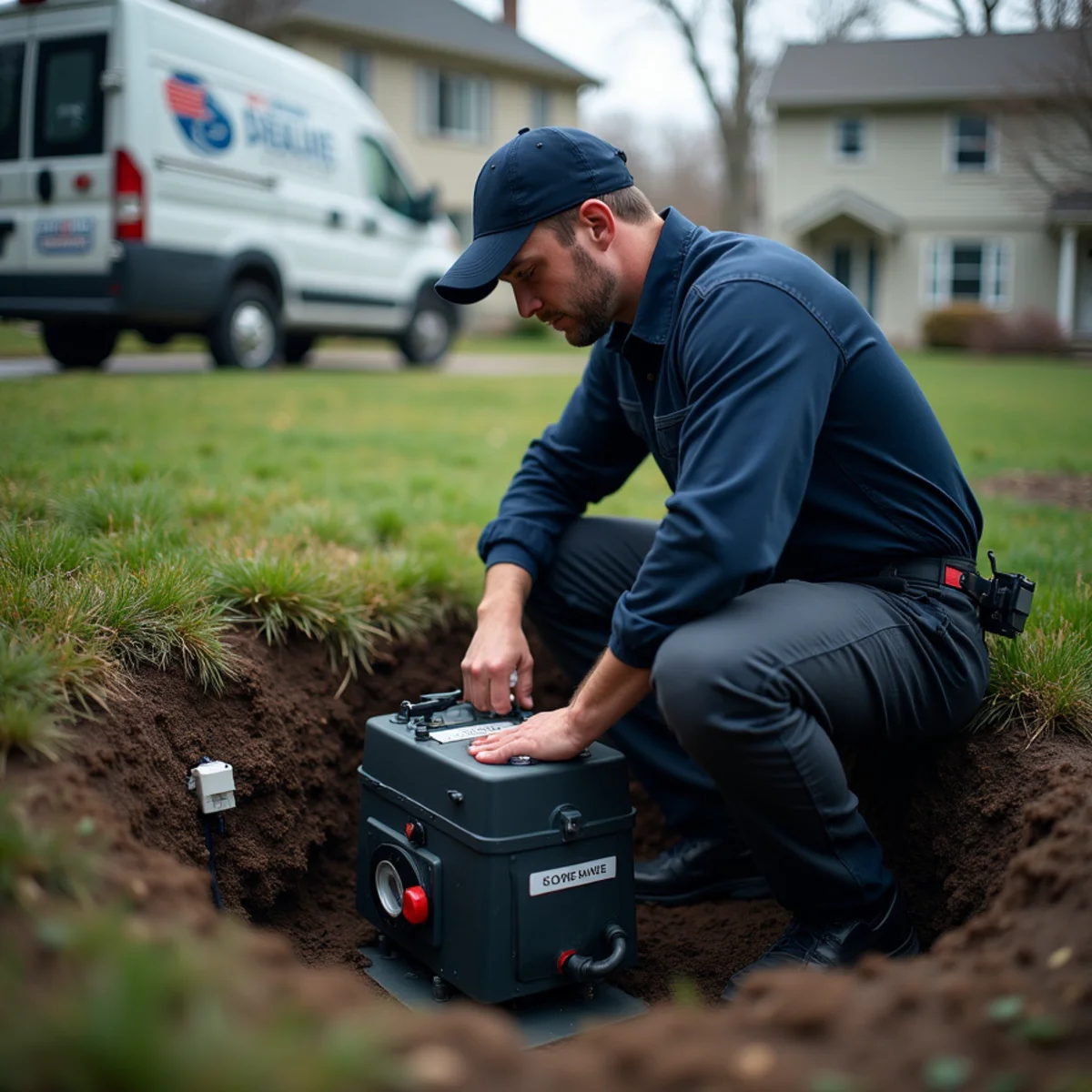
Annual Water Heater Flush: The 30-Minute Job That Doubles Heater Life
Flushing your water heater once a year clears the sediment that shortens its life and drives up your bills. Here is why it matters and how it is done.
By King of Prussia Plumbing Pros · Published August 11, 2025 · Updated September 1, 2025
Of all the maintenance tasks that quietly pay for themselves, flushing your water heater sits near the top. It takes about half an hour, it costs almost nothing to do, and it can add years to the life of one of the most expensive appliances in your home. Yet most homeowners never do it, and many have never even heard of it. If you live with our hard local water, this is the single best habit you can build for your water heater.
At King of Prussia Plumbing Pros, we open up failed water heaters all the time, and the story inside is remarkably consistent: inches of hardened sediment baked onto the bottom of the tank. That sediment is the enemy, and a flush is how you keep it from winning.
What the Sediment Actually Does
Our Montgomery County water runs moderately hard, around seven grains per gallon, which means it carries a steady load of dissolved calcium and magnesium. Every time your heater warms that water, some of those minerals drop out and settle to the bottom of the tank. Over months and years they build into a thick, rock-like crust. In a gas heater, that crust sits directly over the burner; in an electric heater, it buries the lower element.
- Wasted energy: the sediment insulates the water from the heat source, so the burner or element runs longer and your bills climb.
- Overheating and stress: trapped heat under the crust stresses the tank's steel and can crack the glass lining, leading to early failure.
- Popping and rumbling: those noises are water boiling and steam bubbles fighting their way up through the sediment layer.
- Lost capacity: sediment takes up space that used to hold hot water, so you run out sooner.
- Clogged valves: grit works its way into the drain valve and temperature-relief valve, jamming safety components.
If your water heater has started popping, rumbling, or running out of hot water faster than it used to, that is sediment talking. Left unflushed, a tank can fail years before its rated lifespan, often at the worst possible time.
How the Flush Works
A flush is straightforward in principle: drain the tank to carry the loose sediment out with the water. In practice, doing it well means doing it in the right order and watching for problems along the way.
- 1Turn off the heat source, gas or electric, and let the water cool enough to handle safely.
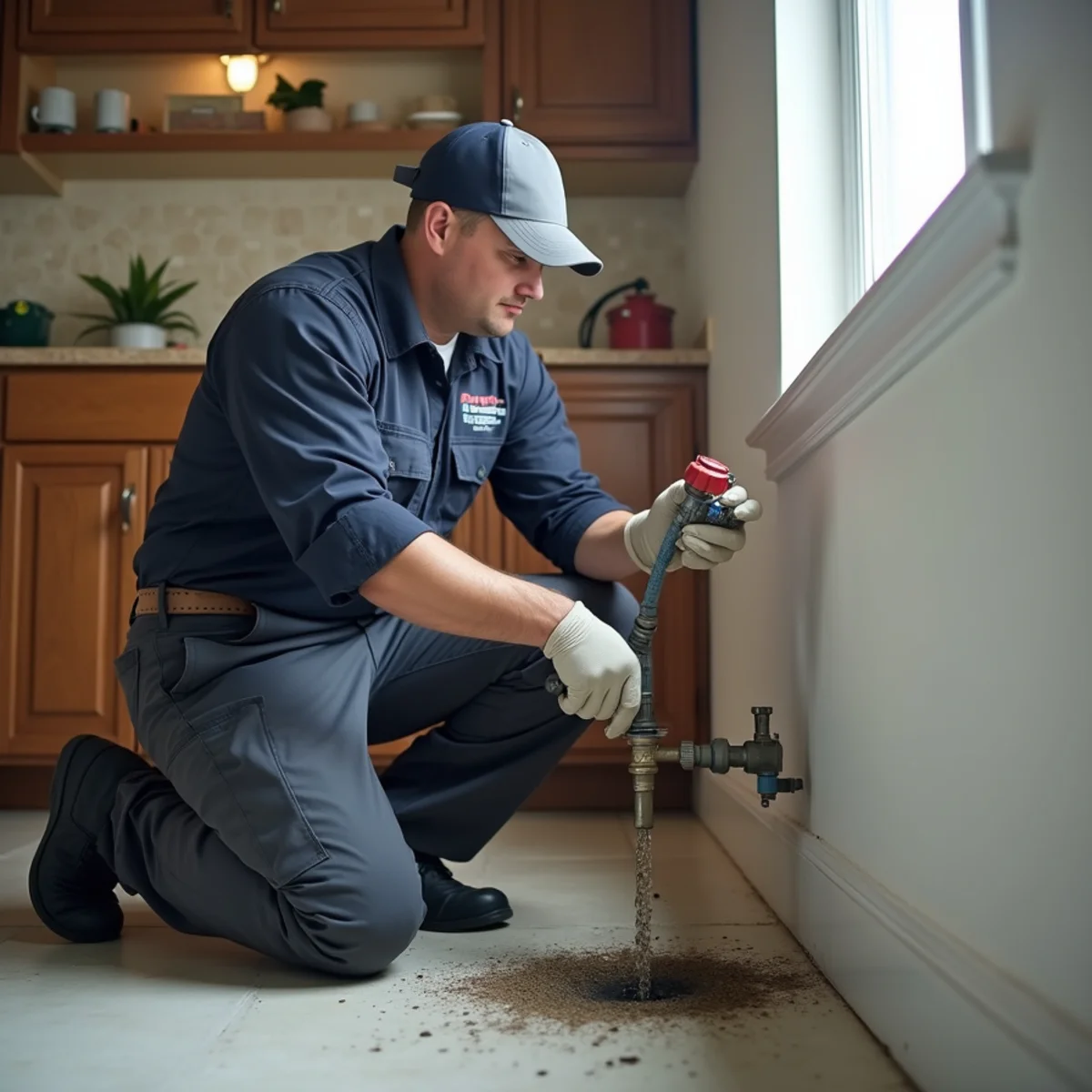
- 2Shut the cold-water supply to the tank and connect a hose to the drain valve, running it to a floor drain or outside.
- 3Open a hot-water faucet in the house to break the vacuum, then open the drain valve and let the tank empty.
- 4Briefly reopen the cold supply in bursts to stir up and carry out the settled sediment until the water runs clear.
- 5Close the drain, refill the tank fully before restoring the heat source, and confirm everything is operating normally.
It sounds simple, and on a well-maintained heater it is. But older tanks that have never been flushed can hide problems a flush will reveal: a drain valve so clogged it will not open or close, a tank so full of hardened sediment that draining barely helps, or a corroded anode rod that should have been replaced years ago. When we perform this as part of our water heater repair and maintenance service, we also inspect the anode rod, test the pressure-relief valve, and check for early corrosion, so you get a full health check, not just a rinse.
Treat the Cause, Not Just the Symptom
Flushing removes sediment that has already formed. It does not stop new sediment from arriving, because the hardness is in the water itself. For homeowners tired of fighting the buildup, the permanent answer is to treat the water before it ever reaches the heater. A whole-house water softener removes the calcium and magnesium that create sediment in the first place, so your heater, pipes, and fixtures all stop scaling. Pair a softener with an annual flush and you have essentially eliminated the hard-water tax on your equipment.
A Habit Worth Keeping
Once a year is the right cadence for most homes on our water, and it is the kind of task that is easy to fold into a seasonal routine. Homeowners across Willow Grove and the surrounding area deal with the same mineral load we all do here, and the ones who flush regularly simply get more years out of their heaters and pay less to run them in the meantime. It is one of the highest-return maintenance jobs in the whole house.
From the Field: The Anode Rod Is the Part Everyone Forgets
A flush clears sediment, but the component that actually decides how long your tank lives is the sacrificial anode rod, and almost no homeowner ever checks it. The rod is a length of magnesium or aluminum designed to corrode in place of the steel tank; once it is eaten away, the tank itself becomes the sacrifice and rusts from the inside out. On our moderately hard water a rod can be spent in as little as three to five years, long before the tank's rated life, and replacing an inexpensive rod on schedule is what genuinely stretches heater lifespan.
When we flush a tank we pull and inspect the rod, and we watch for two things a DIY flush misses: a drain valve that will not fully reseat afterward, and cloudy water that keeps returning, which signals sediment fused to the bottom that a simple drain will not lift. Catching a spent rod or a seeping valve during routine water heater maintenance is the difference between a planned part swap and a flooded utility closet six months later.
If you cannot remember the last time your water heater was flushed, or you have never done it at all, that is the sign to act now, before sediment does lasting damage. Call King of Prussia Plumbing Pros at (831) 290-4327. We will flush your tank, give it a full inspection, and help you get the longest possible life out of the heater you already own.
Frequently Asked Questions
For most homes on our moderately hard Montgomery County water, once a year is the right schedule. Homes with especially hard water or heavy hot-water use may benefit from flushing twice a year. Regular flushing keeps sediment from hardening into a crust that shortens the tank's life and drives up your energy bills.
Occasionally. A tank that has never been flushed can have a drain valve clogged with hardened sediment, or so much buildup that draining reveals a leak the sediment was masking. That is why it can be worth having a professional handle the first flush on a very old heater, so any hidden issue is caught safely rather than turning into a mess.
A softener dramatically reduces new sediment by removing the calcium and magnesium before they reach the heater, so buildup slows to a fraction of what it was. We still recommend an occasional flush as cheap insurance, but a softener plus a periodic flush is the combination that gets you the longest heater life with the least trouble.
You have to pull it to know for sure. A rod that is heavily corroded, coated in hard scale, or worn down to the steel core wire needs replacing. On our hard water most rods are due every three to five years. Since checking it means draining the tank anyway, the smart time to inspect the anode is during your annual flush.